
Iceland in summer transforms into a completely different country. The snow melts away to reveal green valleys, purple lupine flowers, and roads that stay open 24 hours a day. From June through August, you’ll experience the famous midnight sun, access to remote highlands, and the best weather Iceland has to offer.
Summer is Iceland’s peak season for good reason. The weather is mild, all roads are open, and you can explore places that stay closed for most of the year. But summer also brings crowds and higher prices. That’s where having a local travel specialist makes all the difference — they know the quiet spots and perfect timing to make your trip special.
When Is Summer in Iceland?
Iceland’s summer runs from June through August. But the shoulder months of May and September also offer great weather with fewer people around.
June marks the start of summer. Days get longer until you reach the summer solstice around June 21st. This is when Iceland gets nearly 24 hours of daylight. The weather warms up, and highland roads start opening.
July is the warmest month. Average temperatures reach 55-60°F (13-15°C) in Reykjavik. This is also the busiest month for tourists. Popular spots can get crowded, especially during the day.
August stays warm but days start getting shorter. You’ll still have about 18-19 hours of daylight. Many locals say August has the most stable weather of the summer months.
The exact timing depends on what you want to see. For maximum daylight and highland access, July is perfect. For fewer crowds but still good weather, consider late May or early September.
The Magic of Midnight Sun

The midnight sun is one of Iceland’s most famous summer features. From mid-May through late July, the sun barely sets. In fact, at the peak in June, you get about 22 hours of daylight in Reykjavik. Meanwhile, in the far north, the sun doesn’t set at all.
This endless daylight changes how you travel. You can hike at 10 PM when the light is soft and golden. Popular waterfalls look completely different at midnight than they do at noon. And you never have to worry about running out of time for sightseeing.
The midnight sun takes some getting used to. Your body clock might feel confused for the first few days. Many visitors find it hard to sleep when it’s bright outside. Pack an eye mask or choose accommodations with blackout curtains.
But the benefits are huge. You can fit more activities into each day. Traffic is lighter in the evening hours. And the quality of light during “golden hour” lasts for hours instead of minutes.
A local travel specialist can help you plan activities around the best light. They know which waterfalls face east for morning light and which face west for evening shots. They can also suggest the perfect timing for specific activities based on crowds and lighting.
Weather and What to Pack

Iceland’s summer weather is mild but unpredictable. You might experience sun, rain, and wind all in the same day. The key is layering and being ready for anything.
Temperature ranges: – Reykjavik: 50-60°F (10-15°C) – Highlands: 40-50°F (4-10°C) – Coastal areas: 45-55°F (7-13°C)
The weather can change fast. For example, a sunny morning can turn into a rainy afternoon. Also, wind is common, especially near the coast and in open areas.
Essential packing list: – Waterproof jacket and pants – Warm fleece or wool sweater – Comfortable hiking boots – Warm hat and gloves – Sunglasses and sunscreen – Layers for changing weather
Don’t pack heavy winter gear. A good rain jacket and warm layers will handle most summer weather. But do bring warm clothes for highland areas and evening activities.
The midnight sun means you need sunglasses even late at night. The sun stays low on the horizon, which can create intense glare. Sunscreen is also important — the reflection off water and light-colored rocks can cause sunburn.
Highland Adventures Are Here
Summer is the only time you can reach Iceland’s remote highland interior. These areas stay closed from October through May due to snow and dangerous conditions. But from June through September, a whole new world opens up.
The highlands offer some of Iceland’s most dramatic landscapes. You’ll see colorful mountains, vast lava fields, and geothermal areas with no crowds. Popular highland destinations include Landmannalaugar, Thorsmork, and the Kjolur route.
Landmannalaugar is famous for its rainbow-colored mountains and natural hot springs. The area offers day hikes and multi-day treks. The colors come from volcanic minerals in the rocks — reds, yellows, greens, and blues all mixed together.
Thorsmork sits between three glaciers in a green valley. It’s a popular base for hiking, including the famous Laugavegur trail. The area has its own microclimate that’s often warmer and calmer than surrounding areas.
Kjolur route crosses the interior between two glaciers. This highland road connects the north and south of Iceland through empty landscapes. You’ll see geothermal areas, small lakes, and views of glaciers on both sides.
Highland travel requires proper planning. That’s why these areas have no services — no gas stations, restaurants, or emergency help. Additionally, weather can change quickly, and some roads require 4WD vehicles.
A local travel specialist can arrange highland trips with the right vehicles and safety equipment. They know current road conditions and can adjust routes based on weather. For families, they can suggest easier highland areas that still offer the dramatic scenery.
Wildlife Watching at Its Peak
Summer brings Iceland’s wildlife to life. This is breeding season for most birds, and marine life is most active in the warmer waters.
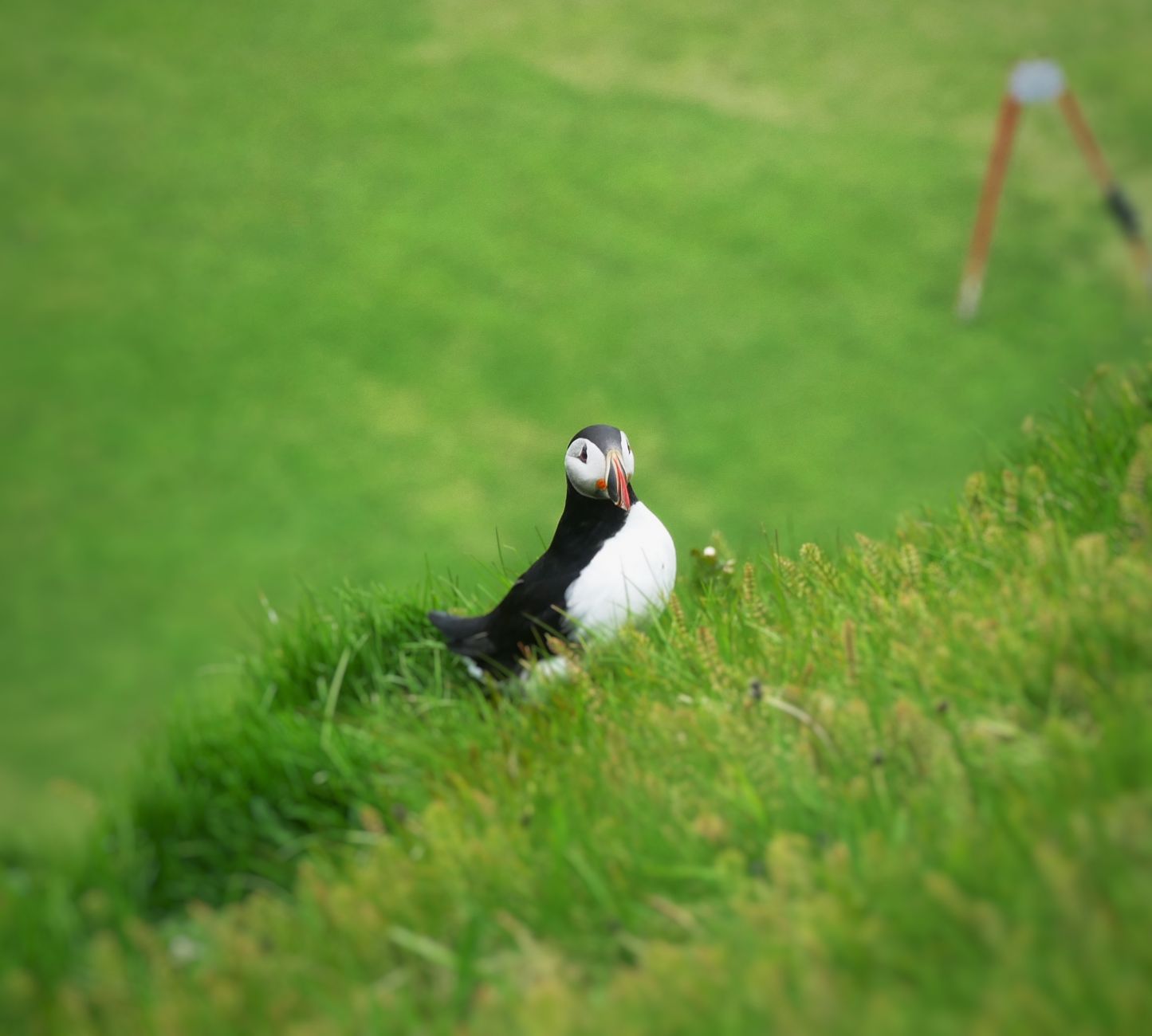
Puffins are Iceland’s most famous birds. These colorful seabirds nest on coastal cliffs from May through August. The best puffin watching happens in June and July when adults are feeding their chicks.
Popular puffin spots include the Westman Islands, Latrabjarg cliffs, and areas around Vik. Puffins are curious birds that often let you get quite close. But they’re also easily disturbed, so it’s important to watch from a respectful distance.
Whales are easier to spot in summer’s calmer seas. Minke whales, humpback whales, and white-beaked dolphins are common around Iceland’s coast. The best whale watching happens from Reykjavik, Husavik, and Akureyri.
Arctic terns nest all over Iceland in summer. These small seabirds are very protective of their nests and will dive-bomb anyone who gets too close. If you see terns flying aggressively overhead, you’re probably near a nesting area.
Seals rest on beaches and rocky shores throughout the summer. Harbor seals and grey seals are both common. The best seal watching happens on the black sand beaches of the south coast.
Wildlife watching requires patience and the right timing. A local specialist knows the best spots for each species and can time visits when animals are most active. They also understand wildlife behavior and can keep you at safe distances.
Festivals and Cultural Events
Iceland’s summer festival season runs from June through August. These events showcase Icelandic culture, music, and traditions.
The National Day on June 17th celebrates Iceland’s independence. Every town has parades, speeches, and traditional dancing. Reykjavik’s celebration is the biggest, but smaller towns often have more authentic local flavor.
Reykjavik Culture Night happens in late August. The whole city becomes a stage with concerts, art shows, and street performances. Many museums and galleries offer free admission. The night ends with fireworks over the harbor.
Music festivals happen throughout the summer. Secret Solstice in June features international acts playing under the midnight sun. Smaller festivals in towns like Akureyri and Isafjordur focus on Icelandic musicians.
Local festivals celebrate everything from seafood to sheep. The Lobster Festival in Hofn happens in late June. The Sheep Roundup in September marks the end of summer with traditional food and music.
These festivals give you a chance to meet locals and experience Icelandic culture beyond the tourist sites. In fact, many festivals include traditional food, local crafts, and folk dancing.
Getting Around in Summer
Summer offers the best driving conditions in Iceland. All roads are open, including highland routes that stay closed most of the year. But summer also brings the most traffic.
Ring Road traffic is heaviest from June through August. Popular stops like Gullfoss and Geysir can have long lines of cars and buses. Early morning and late evening are the best times to avoid crowds.
Highland roads open gradually through June. F-roads (mountain roads) require 4WD vehicles and experience with rough driving. Some highland areas don’t open until July, depending on snow conditions.
Public transport runs more frequently in summer. Bus routes connect major attractions and towns. But buses can get crowded, especially on popular routes like the Golden Circle.
Rental cars are in high demand during summer. Book early for the best selection and prices. Consider a 4WD vehicle if you want to explore highland areas or drive on gravel roads.
A local travel specialist can arrange private transportation that avoids the crowds. They know alternative routes to popular sites and can time visits for the best experience. For families or luxury travelers, private vehicles offer comfort and flexibility that public transport can’t match.
Where to Stay
Summer accommodation fills up fast in Iceland. Popular areas like Reykjavik, Vik, and Akureyri book months in advance. But staying in less obvious places can offer better value and fewer crowds.
Reykjavik has the most hotel options but also the highest prices. The city center puts you close to restaurants and nightlife. But you’ll pay premium rates, especially in July.
Small towns along the Ring Road offer good bases for exploring. Places like Selfoss, Hella, and Kirkjubaejarklaustur have hotels and guesthouses with easier availability.
Farm stays let you experience rural Iceland. Many working farms offer accommodation and meals. You might help with sheep, learn about Icelandic horses, or just enjoy the quiet countryside.
Highland huts provide basic accommodation in remote areas. These mountain huts offer beds and cooking facilities but no luxury amenities. They’re perfect for hikers and adventurous travelers.
Camping is popular and affordable in summer. Iceland has campgrounds in most towns and many scenic areas. But be ready for wind and occasional rain, even in summer.
Book accommodation as early as possible for summer travel. A local specialist can suggest alternatives to crowded areas and help secure rooms in popular spots. They also know which areas offer the best value for different types of travelers.
Food and Dining
Summer brings fresh ingredients and outdoor dining to Iceland. As a result, local restaurants make the most of the short growing season with fresh vegetables, herbs, and seafood.
Seafood is at its best in summer. Fresh langoustine, arctic char, and cod appear on menus throughout the country. Coastal restaurants often get their fish the same day it’s caught.
Lamb is traditional Icelandic summer food. Free-range sheep graze in the highlands all summer, giving the meat a unique flavor. Many restaurants serve lamb with wild herbs and local vegetables.
Local vegetables have a short but intense growing season. Icelandic tomatoes, potatoes, and carrots grow in geothermal greenhouses. Wild herbs like angelica and thyme add flavor to traditional dishes.
Dairy products from grass-fed cows taste different in summer. Icelandic yogurt (skyr) and cheese have rich flavors from cows eating fresh grass instead of hay.
Outdoor dining becomes possible in summer’s mild weather. Many restaurants open patios and terraces. Some offer midnight sun dinners with views of mountains or the ocean.
Restaurant reservations are important in summer, especially in Reykjavik and popular tourist areas. A local specialist can recommend restaurants that match your tastes and budget. They also know which places offer the best local ingredients and traditional preparations.
Planning Your Summer Trip
Iceland in summer requires more planning than other seasons. That’s why the combination of great weather and limited accommodation means everything fills up fast.
Book early for the best selection. Flights, hotels, and rental cars all get more expensive as summer approaches. Start planning at least 3-4 months ahead for July travel.
Consider shoulder seasons for better value. Late May and early September offer good weather with fewer crowds. You’ll miss some highland access but save money and avoid the busiest periods.
Plan for crowds at popular sites. Golden Circle attractions, Blue Lagoon, and famous waterfalls get very busy during peak hours. Early morning or late evening visits offer better experiences.
Build in flexibility for weather changes. Summer weather is generally good but can change quickly. Having backup indoor activities helps when rain or wind disrupts outdoor plans.
Mix popular and quiet areas for the best experience. Combine must-see attractions with lesser-known spots. This gives you the classic Iceland experience while avoiding constant crowds.
A local travel specialist can create an itinerary that balances your interests with practical considerations. They know which attractions are worth the crowds and which hidden spots offer similar beauty without the buses. For families, they can suggest activities that work for different ages. Meanwhile, for luxury travelers, they can arrange exclusive experiences and premium accommodations.
Travel conditions can change — we recommend confirming details with a local specialist before your trip.
FAQ
When is the best time to visit Iceland in summer?
July offers the warmest weather and maximum daylight, but it’s also the busiest month. June has nearly as much daylight with fewer crowds. August provides stable weather as summer winds down. The best month depends on whether you prioritize weather, crowds, or specific activities like highland access.
How much daylight does Iceland get in summer?
Iceland gets up to 22 hours of daylight in June around the summer solstice. Even in August, you’ll have about 18 hours of daylight. So you can sightsee late into the evening and experience the famous midnight sun phenomenon.
What should I pack for Iceland in summer?
Pack layers for changing weather: a waterproof jacket, warm fleece, comfortable hiking boots, and rain pants. Also bring sunglasses, sunscreen, and a warm hat. Summer temperatures range from 45-60°F (7-15°C), but weather can change quickly from sun to rain to wind.
Are the highlands accessible in summer?
Yes, Iceland’s highland interior opens from June through September. This is the only time you can reach places like Landmannalaugar and Thorsmork. However, highland roads require 4WD vehicles and proper planning, as these areas have no services or emergency help.
How crowded is Iceland in summer?
Summer is Iceland’s peak tourist season, especially July. Popular attractions like the Golden Circle and Blue Lagoon get very busy during the day. Instead, early morning, late evening, and less famous locations offer better experiences with fewer crowds.