
July brings Iceland’s warmest and brightest weather of the year. In fact, the weather in July makes it the perfect time for hiking, road trips, and exploring the highlands. You’ll get nearly 24 hours of daylight and the warmest temperatures Iceland offers.
But Iceland’s summer weather can still surprise you. Even in July, you might see rain, wind, and cool temperatures. That’s why knowing what to expect helps you pack right and plan better activities.
This guide covers everything about Iceland’s summer weather from May through July. You’ll learn what temperatures to expect, how much rain falls, and what clothes to bring. We’ll also share the best activities for each type of weather you might encounter.
Understanding Iceland’s Summer Climate
Iceland sits just below the Arctic Circle. This means its weather stays cool even in summer. The Gulf Stream keeps temperatures mild, but the island’s location brings changeable weather year-round.
Summer in Iceland runs from June through August. But the weather starts warming up in May and stays pleasant into September. July sits right in the middle of this warm period.
The country has a maritime climate. This means the ocean affects the weather a lot. Temperatures don’t get very hot or very cold. Instead, you get mild summers and relatively warm winters compared to other places at the same latitude.
Weather patterns change quickly in Iceland. For example, you might start the day with sunshine and end it with rain. Yet that’s normal. That’s why the key is being ready for anything.
July Weather Patterns

July gives you Iceland’s warmest weather. Average temperatures range from 10°C to 15°C (50°F to 59°F). In Reykjavik, daytime temperatures often reach 13°C to 16°C (55°F to 61°F). Some days can get as warm as 20°C (68°F), but that’s rare.
Nighttime temperatures drop to around 8°C to 11°C (46°F to 52°F). The good news is that July nights are bright. The sun barely sets, so you get nearly 24 hours of daylight.
Rain falls about 10 to 12 days in July. Importantly, most rain comes as light showers that pass quickly. You might get 50mm to 60mm of rain for the whole month. In short, that’s less than many other months.
Wind speeds average 15 to 25 km/h (9 to 15 mph). But Iceland can get sudden strong winds. Coastal areas and highlands see more wind than sheltered valleys.
The midnight sun peaks in July. On July 1st, the sun sets at 11:58 PM and rises at 3:05 AM in Reykjavik. By July 31st, sunset moves to 10:30 PM and sunrise to 4:30 AM. You still get over 18 hours of bright daylight.
Humidity stays around 70% to 80% most of the time. This makes the air feel fresh but can make cool temperatures feel colder.
Weather in Iceland in June
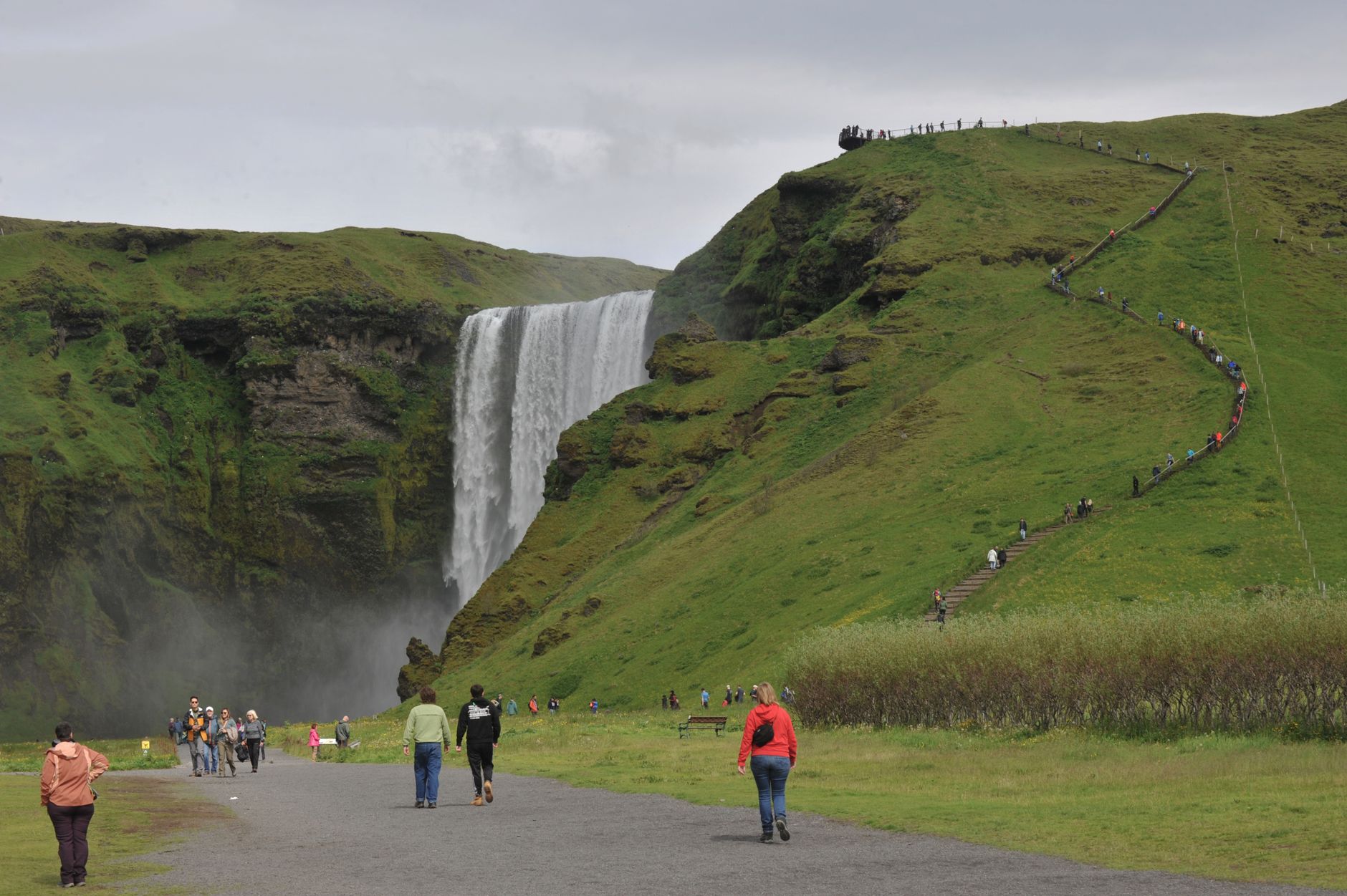
June marks the start of Iceland’s peak summer season. As a result, the weather in June brings longer days and warmer temperatures than spring months.
Average temperatures in June range from 8°C to 14°C (46°F to 57°F). Meanwhile, Reykjavik sees daytime highs around 12°C to 15°C (54°F to 59°F). At night, temperatures cool down to 6°C to 9°C (43°F to 48°F).
June gets about 11 to 13 rainy days. Additionally, total rainfall averages 40mm to 50mm for the month. Most rain comes as brief showers mixed with sunny periods.
Daylight hours increase dramatically in June. By mid-June, you get over 20 hours of daylight. The sun sets around midnight and rises before 3 AM. This makes June perfect for sightseeing and outdoor activities.
Wind patterns in June are similar to July. So expect average speeds of 15 to 20 km/h (9 to 12 mph) with occasional stronger gusts.
June weather can be less stable than July. You might see more cloudy days and temperature swings. But overall, June offers excellent conditions for travel.
Iceland Weather in May

May brings spring weather to Iceland. In fact, the weather in May shows the country waking up from winter. Then snow melts in most areas, and green grass starts growing.
Temperatures in May range from 5°C to 11°C (41°F to 52°F). Meanwhile, Reykjavik sees daytime highs around 9°C to 12°C (48°F to 54°F). At night, temperatures can drop to 3°C to 6°C (37°F to 43°F).
May gets more rain than summer months. Expect 12 to 15 rainy days with 45mm to 55mm total rainfall. Some highland areas might still have snow, especially early in the month.
Daylight increases rapidly in May. In fact, you go from 15 hours of daylight at the start to over 19 hours by month’s end. Then the midnight sun season begins in late May.
Wind can be stronger in May as weather systems change. As a result, average speeds stay around 20 to 25 km/h (12 to 15 mph).
May weather varies more than summer months. You might see sunny days followed by cold, rainy periods. Highland roads often stay closed until late May due to snow.
Regional Weather Differences
Iceland’s weather changes based on where you go. For example, the south coast gets different weather than the north. Additionally, the highlands have their own climate patterns.
Reykjavik and Southwest Iceland get the mildest weather. The capital area sees less wind and slightly warmer temperatures. Rain falls more gently here than in other regions.
South Coast areas like Vik and Jokulsarlon can be windier. But they also get some of the warmest summer temperatures. The black sand beaches heat up more than other coastal areas.
North Iceland around Akureyri tends to be drier but cooler. Summer temperatures run 2°C to 3°C (4°F to 5°F) lower than the south. But you might get fewer rainy days.
East Iceland sees more variable weather. Mountains create microclimates. You might drive through rain, sun, and clouds all in one hour.
West Iceland including the Snaefellsnes Peninsula gets steady weather. But coastal areas can be very windy, especially around Stykkisholmur.
The Highlands have their own climate. Temperatures drop 5°C to 8°C (9°F to 14°F) below coastal areas. Weather changes happen faster. Snow can fall even in July at high elevations.
Westfjords get some of Iceland’s most dramatic weather. Strong winds are common. But summer days can be surprisingly warm in sheltered fjords.
A local travel specialist knows these regional differences well. That’s why they can plan your route to avoid bad weather areas and find the best conditions for your activities.
What to Pack for Iceland’s Summer Weather
Packing for Iceland’s summer weather means preparing for everything. Even in July, you need warm and waterproof clothes. So the key is layering.
Base Layer: Pack moisture-wicking shirts and long underwear. Merino wool or synthetic materials work best. Bring at least 3-4 base layer tops and 2-3 bottoms.
Mid Layer: Fleece jackets or wool sweaters provide warmth. Pack 2-3 mid-layer options. A light down jacket works great for cool evenings.
Outer Layer: A waterproof, windproof jacket is essential. Make sure it has a hood. Waterproof pants are also important, especially for hiking or outdoor activities.
Footwear: Waterproof hiking boots are your best choice. They handle wet trails and rocky terrain. Bring warm socks – wool or synthetic blends work well. Pack extra socks since your feet might get wet.
Accessories: A warm hat covers your ears on windy days. Waterproof gloves protect your hands. Sunglasses help with bright summer light. A buff or scarf adds neck warmth.
Rain Gear: Even with a waterproof jacket, pack a compact umbrella. Rain pants or a rain poncho can be useful for long outdoor days.
Swimwear: Don’t forget swimwear for hot springs and geothermal pools. A quick-dry towel saves space in your luggage.
Special Items: Bring a headlamp or small flashlight. Even though July has bright nights, you might need light in caves or early morning. Sunscreen is important – the bright summer light reflects off water and snow.
For families, pack extra clothes for kids. After all, children get wet and dirty faster. That’s why having backup outfits prevents cranky moments.
Luxury travelers might want to pack nicer dinner clothes for upscale restaurants in Reykjavik. But even fancy places understand Iceland’s casual outdoor culture.
Best Summer Activities by Weather
Iceland’s summer weather opens up activities that aren’t possible in winter. But different weather conditions suit different activities better.
Sunny Days (15°C+ / 59°F+): Perfect for hiking in the highlands. The Laugavegur trail and Landmannalaugar become accessible. Sunny weather also makes great conditions for whale watching from Reykjavik or Husavik. Photography is excellent with clear skies.
Partly Cloudy Days (10-15°C / 50-59°F): Ideal for driving the Ring Road. Clouds add drama to landscape photos. This weather works well for visiting waterfalls like Gullfoss, Skogafoss, and Seljalandsfoss. Geothermal areas like Geysir look great under mixed skies.
Overcast Days (8-12°C / 46-54°F): Good for indoor activities and cultural sites. Visit museums in Reykjavik or explore the city’s cafes. Overcast light can be perfect for photographing ice caves or glacier tours.
Rainy Days (Any temperature): Perfect for geothermal pools and hot springs. The Blue Lagoon, Sky Lagoon, or natural hot springs feel amazing in the rain. Indoor attractions like the Perlan museum or Harpa concert hall offer shelter.
Windy Days (Any temperature): Great for areas with natural windbreaks. Explore Reykjavik’s downtown area or visit indoor attractions. Some waterfalls look more dramatic in wind, but hiking can be challenging.
Cool Days (Under 10°C / 50°F): Good for glacier walks or ice cave tours. The cool air feels nice during physical activities. Hot springs feel really good after cool outdoor adventures.
The midnight sun in July means you can do activities at any time. Many travelers enjoy hiking or sightseeing late at night when tourist crowds are smaller.
A local travel specialist can adjust your daily plans based on weather forecasts. They know which activities work best in different conditions and can suggest alternatives if weather changes.
Comparing Summer Months
Each summer month in Iceland offers different advantages. So understanding these differences helps you pick the best time for your trip.
May Advantages: Fewer tourists mean lower prices and smaller crowds. Lupine flowers start blooming. Highland roads begin opening. You get long daylight hours without the intensity of peak summer.
May Challenges: Weather is less stable. Some highland areas stay closed. Temperatures are cooler, especially at night. More rainy days than July.
June Advantages: Great balance of good weather and manageable crowds. Most roads are open. Lupines are in full bloom. Nearly 24-hour daylight begins. Prices are lower than July.
June Challenges: Weather can still be unpredictable. Some years see cool, wet Junes. Tourist season is ramping up, so popular spots get busier.
July Advantages: Warmest temperatures of the year. Most stable weather patterns. All roads and highlands are accessible. Peak midnight sun period. Best conditions for camping and hiking.
July Challenges: Highest prices of the year. Biggest crowds at popular attractions. Accommodations book up fastest. Some areas can feel overcrowded.
For families, July often works best because of stable weather and warm temperatures. Kids handle the conditions better, and you have more activity options.
Couples might prefer June for a good balance of weather and fewer crowds. In fact, the romantic midnight sun is just as strong in June as July.
Luxury travelers often choose May or June to avoid peak season crowds while still getting good weather. High-end accommodations have better availability and sometimes lower rates.
Weather-Related Travel Tips
Iceland’s weather affects more than just what clothes to wear. Instead, it impacts transportation, activities, and daily planning.
Flight Considerations: Summer weather rarely cancels flights. But strong winds can cause delays. Keflavik Airport handles weather well, but always check flight status before leaving for the airport.
Driving Conditions: Summer weather makes driving much easier than winter. But rain can make roads slippery. Gravel roads become dusty in dry weather and muddy when wet. Always check road conditions at road.is before traveling.
Highland Access: F-roads (mountain roads) usually open in June and July. But snow can close them again if weather turns bad. These roads require 4WD vehicles. Weather conditions change quickly in the highlands.
Camping Weather: July offers the best camping weather. But even summer nights can be cold and wet. Bring a warm sleeping bag rated for 0°C (32°F) or lower. A good tent that handles wind and rain is essential.
Photography Planning: Iceland’s summer light changes throughout the day. Golden hour lasts much longer than in other places. Overcast days create soft, even light that’s perfect for waterfalls and landscapes.
Activity Timing: Use weather apps to plan daily activities. If rain is forecast for the afternoon, do outdoor activities in the morning. Save indoor attractions for bad weather periods.
Clothing Strategy: Dress in layers you can add or remove quickly. Weather can change from sunny to rainy in minutes. Keep rain gear easily accessible in your day pack.
Health Considerations: The bright summer light can cause sunburn even on cloudy days. UV rays reflect off water and light-colored rocks. Wear sunscreen and sunglasses regularly.
Travel conditions can change – we recommend confirming details with a local specialist before your trip.
Planning Your Summer Iceland Trip
The weather in Iceland in July makes it the most popular month to visit. But that popularity means you need to plan ahead for the best experience.
Booking Timeline: Reserve accommodations 3-6 months ahead for July travel. Popular hotels and guesthouses fill up fast. Car rentals also book up, especially 4WD vehicles for highland access.
Activity Reservations: Book tours and activities in advance. Whale watching, glacier walks, and highland tours have limited spots. Some activities only run in summer months.
Route Planning: The Ring Road is accessible year-round, but summer opens up highland routes. Plan extra time for stops – summer weather makes everything more enjoyable. Don’t pack your schedule too tight.
Weather Flexibility: Build flexibility into your plans. If weather turns bad in one area, you can move to another region. Having backup indoor activities saves disappointing days.
Regional Strategy: Consider spending more time in areas with better weather forecasts. A local travel specialist can suggest route changes based on current weather patterns.
Packing Strategy: Pack for all weather types. Even if forecasts look good, Iceland’s weather can change quickly. Having the right gear means you can enjoy any conditions.
Budget Considerations: July is the most expensive month to visit Iceland. Accommodations, car rentals, and tours all peak in price. June offers similar weather with lower costs.
Crowd Management: Popular attractions get very busy in July. Visit early morning or late evening when possible. The midnight sun means you can sightseee at unconventional hours.
A local travel specialist can help you navigate these planning challenges. They know which areas have the best weather patterns and can suggest alternatives if conditions change.
Frequently Asked Questions
What is the average temperature in Iceland in July? The average temperature in Iceland in July ranges from 10°C to 15°C (50°F to 59°F). Reykjavik typically sees daytime highs of 13°C to 16°C (55°F to 61°F) and nighttime lows of 8°C to 11°C (46°F to 52°F). Some days can reach 20°C (68°F), but this is uncommon.
Does it rain a lot in Iceland during July? July is one of Iceland’s drier months. You can expect rain on about 10 to 12 days, but most rainfall comes as brief showers. Total monthly rainfall averages 50mm to 60mm. Rain rarely lasts all day, and sunny periods often follow quickly.
How many hours of daylight does Iceland get in July? Iceland gets nearly 24 hours of daylight in July. In Reykjavik, the sun sets around 11:30 PM and rises before 4:00 AM, giving you over 19 hours of bright daylight. The sun never fully sets during peak summer, creating the famous midnight sun effect.
Is July the best month to visit Iceland? July offers Iceland’s warmest weather and most stable conditions, making it excellent for outdoor activities and highland access. However, it’s also the busiest and most expensive month. June provides similar weather with fewer crowds, while May offers good conditions at lower prices but with less predictable weather.
What should I pack for Iceland in July? Pack layers including a waterproof jacket, warm mid-layers like fleece, moisture-wicking base layers, waterproof hiking boots, warm hat and gloves, and rain gear. Even in July, temperatures can drop to 8°C (46°F) at night, and rain showers are common. Always prepare for changing weather conditions.