
Traveling from Santo Domingo to Punta Cana is one of the most common and important journeys in the Dominican Republic. It connects two places that represent very different sides of the country. On one end, Santo Domingo functions as the political, cultural, and historical heart of the nation. On the other, Punta Cana exists almost entirely to serve leisure travel, with beaches, resorts, and tourism infrastructure shaping daily life.
Because the distance between them is manageable, many travelers choose to include both destinations in one itinerary. Doing so adds depth to your trip, but it also requires planning. Transport choices, timing, expectations, and safety considerations all influence how smooth the journey feels.
This guide explains the route in detail. You will learn how far the journey is, which transport option fits your travel style, what the transition between destinations feels like, and how to plan your time effectively at each end. The goal is not only to get you from point A to point B, but to help you understand how this journey fits into a well-rounded Dominican Republic trip.
Understanding the Route and Geographic Context
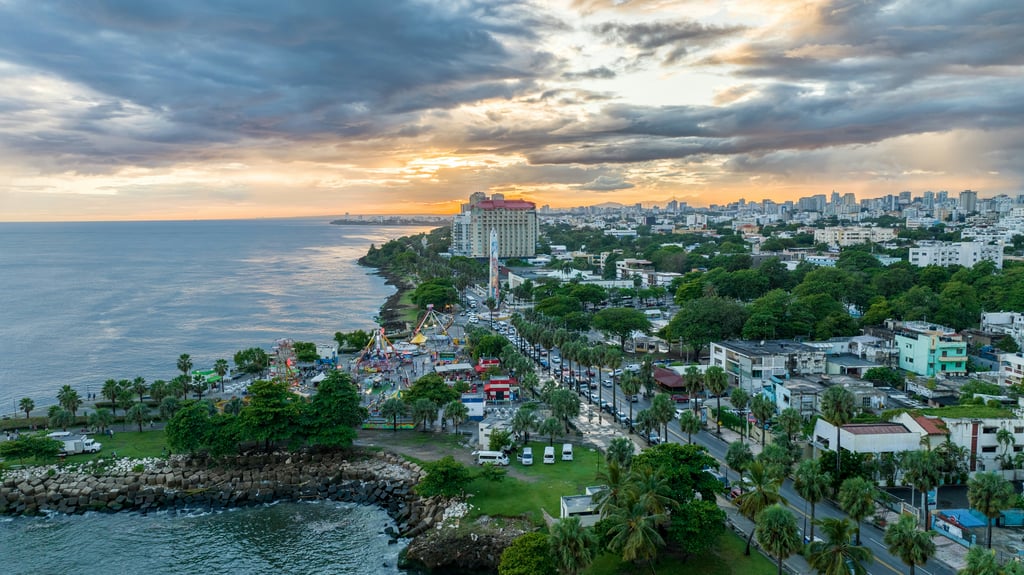
The journey begins in Santo Domingo, located on the southern coast of the island of Hispaniola. Santo Domingo is one of the oldest continuously inhabited European-founded cities in the Americas. It is dense, active, and shaped by history, commerce, and government.
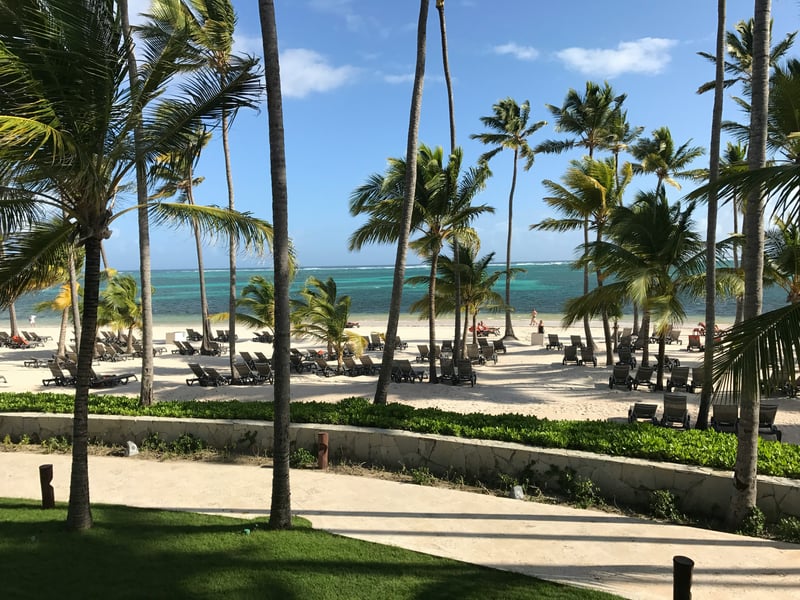
Punta Cana sits on the eastern edge of the country, facing the Atlantic Ocean and the Caribbean Sea. Unlike Santo Domingo, Punta Cana is not a traditional city. It is a spread-out resort zone made up of gated hotel complexes, beaches, golf courses, and service roads designed primarily for tourism.
The distance between the two is roughly 200 kilometers, or about 125 miles. Under ideal conditions, the drive takes between two and a half and three hours. However, traffic, weather, and departure times can extend this to four hours or more.
The route itself tells an important story about the Dominican Republic. Leaving Santo Domingo, you pass through suburban sprawl and industrial areas before entering agricultural regions. Sugarcane fields, cattle farms, and small roadside communities dominate much of the landscape. These areas support both local consumption and the tourism economy you encounter later in Punta Cana.
Highways along this route are generally well maintained, especially sections developed to support tourism and trade. Toll roads are common, and most drivers use them to save time. Services such as fuel stations and rest stops appear regularly, though amenities are basic outside major hubs.
Understanding this geographic context helps manage expectations. This is not a scenic coastal drive for most of the journey. Instead, it is a practical transit route that reveals the working backbone of the country.
Choosing the Best Transportation Option
Selecting the right transport method depends on your budget, comfort level, schedule, and travel experience. Each option offers advantages and trade-offs, and none is universally better for all travelers.
Private transfers are the most popular choice for visitors who prioritize comfort and simplicity. A driver collects you directly from your hotel or the airport in Santo Domingo and takes you to your accommodation in Punta Cana. Travel time is usually efficient, and luggage handling is straightforward. This option works well for families, groups, or travelers arriving after a long international flight. Costs are higher than other options, but predictability is the main benefit.
Car rental provides the most flexibility. Roads are clearly marked, and navigation apps function reliably. Renting a car allows you to control departure time, stop for breaks, and adjust plans if needed. However, driving in the Dominican Republic requires confidence. Traffic behavior can feel aggressive, particularly near Santo Domingo. Insurance coverage should always be confirmed, and night driving is best avoided if you are unfamiliar with local conditions.
Bus travel remains the most economical option. Companies like Expreso Bávaro operate direct routes between Santo Domingo and Punta Cana. Buses are air-conditioned and generally reliable, though travel times are longer. You will need to reach the bus terminal in Santo Domingo, which may require a taxi. This option suits travelers with flexible schedules who are comfortable navigating local systems.
Domestic flights technically exist but rarely make sense. When factoring in airport transfers, security, waiting times, and cost, flying usually takes longer than driving.
Choosing transport thoughtfully shapes how the journey feels. Comfort, control, and timing matter more than cost alone for most travelers.
Timing the Journey and Managing Travel Conditions
When you travel matters almost as much as how you travel. Santo Domingo experiences heavy traffic during weekday mornings and late afternoons. Leaving the city between 7:00–9:00 a.m. or 4:30–7:00 p.m. can add significant delays.
Weekends introduce a different pattern. Fridays often see increased outbound traffic toward Punta Cana, especially during high season. Sundays bring heavier return traffic toward Santo Domingo. Planning departures early in the day reduces congestion regardless of the day.
Seasonal weather also plays a role. The Dominican Republic’s rainy season typically runs from May through November, with higher humidity and storm activity between August and October. While highways remain open, heavy rain can slow traffic and reduce visibility. Hurricane impacts are rare but possible during peak season.
Dry season travel, from December through April, offers the most stable conditions. This period coincides with peak tourism, which can increase traffic near Punta Cana resorts and airport access roads.
Allow buffer time if you are connecting to flights, hotel check-ins, or scheduled activities. Rushing this journey increases stress and reduces enjoyment.
What the Transition Between Destinations Feels Like
The contrast between Santo Domingo and Punta Cana is immediate and significant. Leaving Santo Domingo, you navigate dense traffic, layered neighborhoods, and constant activity. Street vendors, public transport, and mixed-use buildings define the urban environment.
As you move eastward, density drops. Agricultural landscapes take over. Small towns appear briefly along the highway. This phase offers insight into daily Dominican life that many resort-only travelers never see.
Arrival in Punta Cana feels controlled and curated. Roads widen. Landscaping becomes intentional. Security checkpoints mark entrances to resort areas. Movement slows, not because of traffic, but because schedules become less rigid.
Unlike Santo Domingo, Punta Cana lacks a central downtown. Activities cluster within resorts or along designated commercial strips. Taxis and shuttles replace walking as the primary mode of transport.
Understanding this shift helps align expectations. Punta Cana is designed for ease, comfort, and insulation from daily concerns. Santo Domingo is dynamic, layered, and demanding.
Experiencing both creates a fuller picture of the country.
How to Divide Time Between Santo Domingo and Punta Cana
Allocating time wisely enhances the value of combining these destinations. Santo Domingo rewards exploration. The Zona Colonial, a UNESCO World Heritage Site, alone can occupy several days. Museums, historic churches, public squares, and local dining provide cultural depth that cannot be rushed.
Spending at least two to three full days in Santo Domingo allows you to experience the city beyond highlights. You gain context through neighborhoods, markets, and everyday interactions.
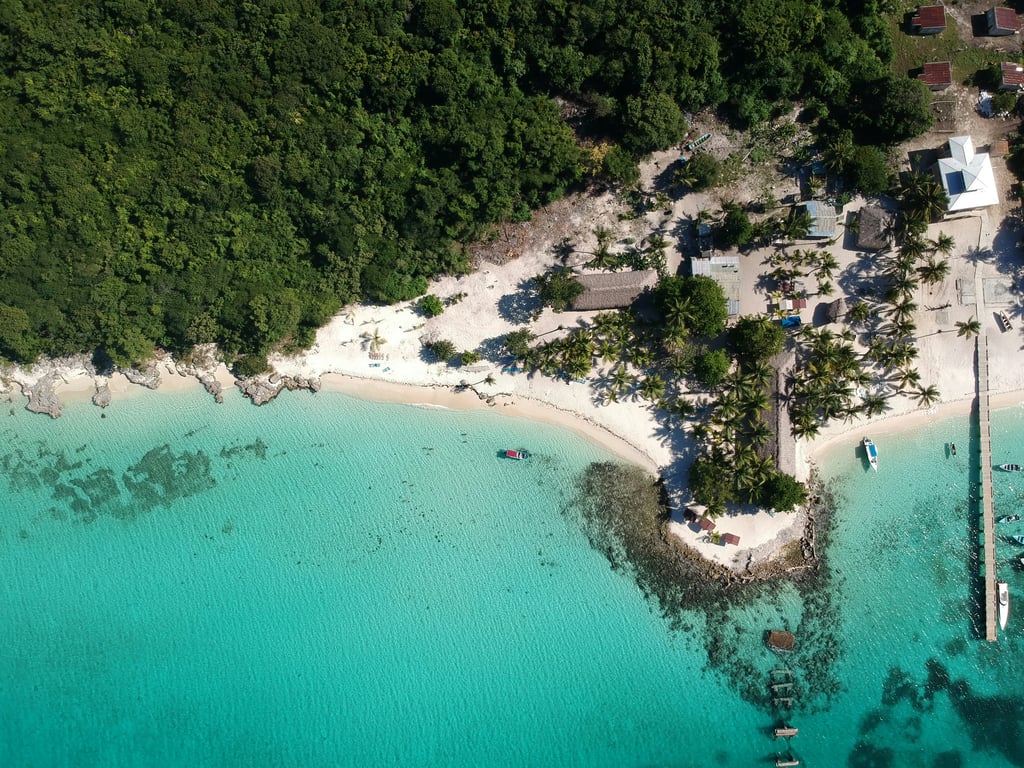
Punta Cana operates differently. Resorts structure days around relaxation. Beaches, pools, dining, and optional excursions fill time without requiring planning. Three to five days suits most travelers, depending on how much rest you want.
Trying to compress Santo Domingo into a single overnight stop often leads to missed experiences. Likewise, extending Punta Cana too long without variation can feel repetitive.
Balance creates contrast. Culture first, leisure second often works well.
Is the Santo Domingo to Punta Cana Journey Worth It?
For travelers seeking depth as well as comfort, the journey is absolutely worth it. You move between history and modern tourism, between complexity and ease. The route itself is manageable, familiar to locals, and supported by established infrastructure.
With thoughtful planning, the transition becomes part of the experience rather than a logistical challenge. You see more of the Dominican Republic, not just its most polished version.