
Iceland weather in April marks the start of an exciting time to visit. Spring slowly arrives, bringing longer days and changing landscapes. But each month from April through June offers something different.
April still feels like winter in many ways. May brings real spring weather. And June starts Iceland’s short but beautiful summer season. Understanding what to expect during these months helps you plan the perfect trip.
The weather changes fast in Iceland during spring. You might see snow, rain, and sunshine all in one day. That’s why knowing what to pack and when to visit makes such a big difference.
What to Expect from Iceland Weather in April
April in Iceland sits right between winter and spring. Yet the weather can surprise you. Some days feel mild and pleasant. However, other days bring snow and strong winds.
Average temperatures in April range from 32°F to 45°F (0°C to 7°C). That’s warmer than winter months but still quite cold. You’ll need warm clothes every day.
Snow still falls regularly in April. The mountains stay white all month. Even Reykjavik can get snow showers. But the snow usually melts quickly in the city.
Daylight hours grow fast in April. You’ll have about 15 hours of daylight by the end of the month. That’s much more than winter but not quite the long days of summer yet.
Wind stays strong in April. Iceland’s weather systems move through quickly. You might have calm morning weather that turns stormy by afternoon. Then it clears up again by evening.
Rain mixes with snow throughout April. Some days bring sleet or freezing rain. The weather feels unpredictable because spring and winter keep fighting for control.
April Weather by Region
South Iceland tends to be milder in April. Reykjavik and the Golden Circle area see less snow than other parts of the country. But you’ll still need winter gear.
The Westfjords and North Iceland stay much colder in April. In fact, snow covers the ground most of the month. As a result, many mountain roads remain closed.
East Iceland falls somewhere in between. You might find spring conditions in the valleys but winter weather in the mountains.
The highlands stay completely snowed in during April. Most highland roads don’t open until June or July. A local travel specialist can help you understand which areas are accessible when you visit.
Iceland Weather in May: Spring Arrives

May brings real spring weather to Iceland. This month feels much different from April. Then the landscape starts turning green. Next, flowers begin blooming. And the weather becomes more stable.
Average temperatures in May range from 39°F to 52°F (4°C to 11°C). That’s a big jump from April. So you’ll have many pleasant days for outdoor activities.
Snow becomes less common in May. The lowlands rarely see snow after mid-May. But the mountains still have plenty of white peaks. And weather can still surprise you with unexpected cold snaps.
Daylight stretches to about 18 hours by the end of May. Meanwhile, the sun sets very late and rises very early. This gives you lots of time for sightseeing and outdoor activities.
Rain replaces snow as the main weather concern in May. You’ll have rainy days mixed with sunny ones. The rain usually comes in short bursts rather than all-day downpours.
Wind stays active in May but feels less harsh than winter months. Spring storms can still bring strong gusts. But you’ll also have many calm, pleasant days.
What Happens in Nature During May
May is when Iceland’s famous lupine flowers start blooming. These purple flowers cover fields and roadsides. The sight is truly special.
Waterfalls reach their peak flow in May. That’s because melting snow from the mountains feeds all the rivers. As a result, May is perfect for waterfall photography.
Puffins return to Iceland in May. These colorful birds nest on coastal cliffs from May through August. For many visitors, seeing puffins is a highlight.
Lambing season happens in May. Then you’ll see baby sheep in fields across the country. It’s a sweet reminder that spring has really arrived.
Iceland Weather in June: Early Summer Begins
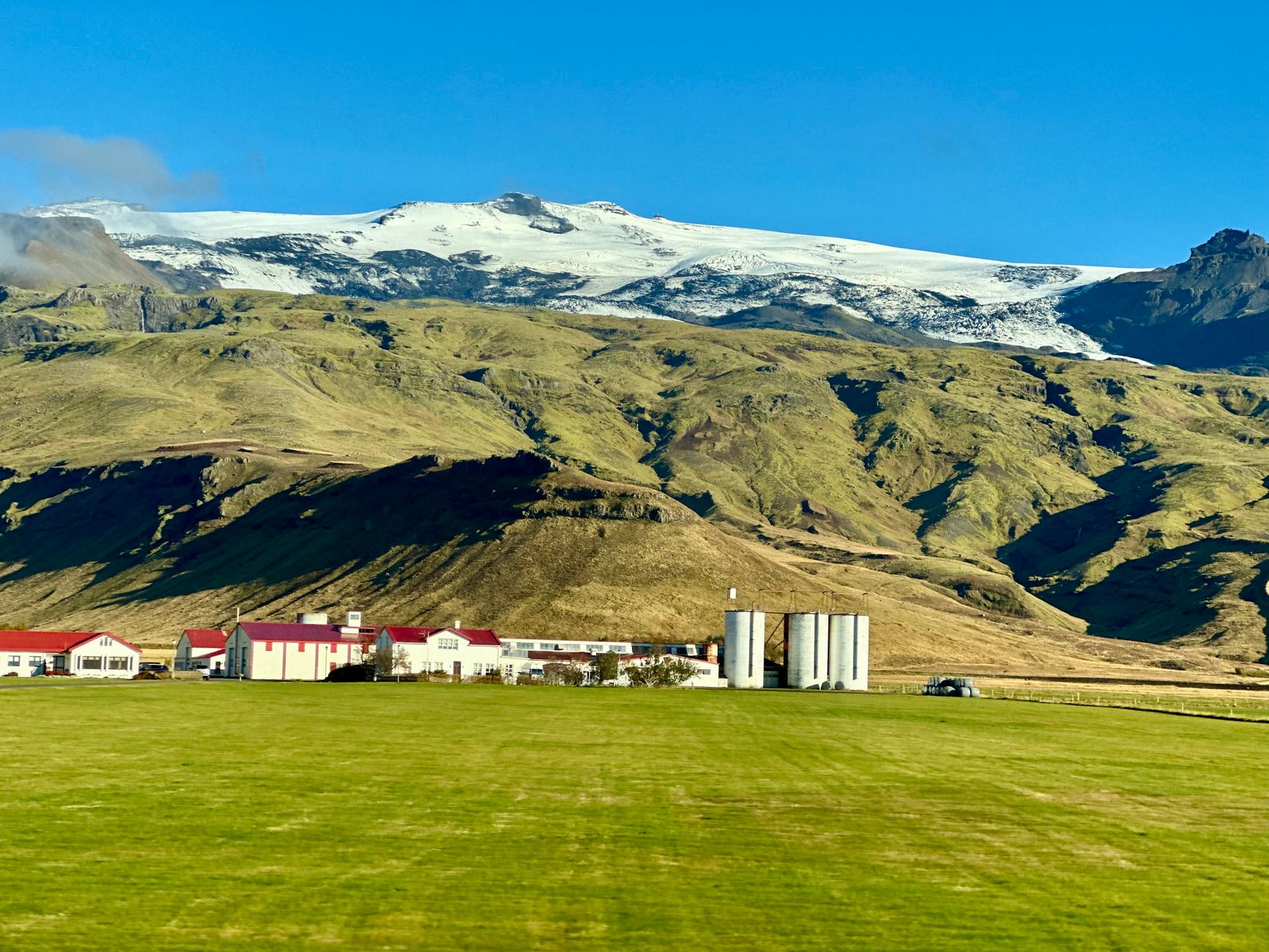
June marks the start of Iceland’s summer season. Weather in Iceland in June feels completely different from April. This is when many people think Iceland is at its best.
Average temperatures in June range from 46°F to 59°F (8°C to 15°C). Some days can reach into the 60s°F (15-20°C). That’s warm enough for light jackets instead of heavy coats.
Snow becomes very rare in June except in the mountains. Meanwhile, the lowlands stay green and pleasant. Even nights don’t get very cold.
June brings Iceland’s famous midnight sun. In fact, the sun barely sets during the summer solstice. So you’ll have nearly 24 hours of daylight. This creates an amazing atmosphere for exploring.
Rain still happens in June but less often than May. When it does rain, it’s usually light. You’ll have many dry, sunny days perfect for outdoor activities.
Wind calms down significantly in June. You’ll still have breezy days, but the harsh winter winds are gone. This makes outdoor activities much more comfortable.
June Activities and Opportunities
June opens up the highlands for exploration. That’s when many highland roads become accessible. This includes routes to places like Landmannalaugar and Thorsmork.
The Ring Road becomes fully accessible in June. So you can drive around the entire country without worrying about snow closures. This makes June perfect for road trips.
Camping becomes popular in June. That’s because the weather is mild enough for tent camping. Also, many campgrounds open for the season.
Hiking conditions get much better in June. Trails that were snowy or muddy in spring become dry and safe. This is when serious hikers start their Iceland trips.
What to Pack for Iceland in April, May, and June

Packing for Iceland during these months requires planning for all types of weather. That’s why the key is layering and being ready for anything.
Essential Clothing Items
A waterproof jacket is your most important item. You’ll need it every month from April through June. Make sure it’s windproof too.
Warm layers work better than one heavy coat. So pack fleece jackets, wool sweaters, and thermal underwear. Then you can add or remove layers as needed.
Waterproof pants are essential for April and May. Still, even in June, you might need them for rainy days or waterfall visits.
Warm hat and gloves stay important through May. Yet even in June, bring a light hat for windy days.
Good hiking boots with ankle support work best. First, make sure they’re waterproof. That’s because you’ll walk on wet, uneven surfaces often.
Wool socks keep your feet warm and dry. Pack extra pairs because your feet might get wet.
What to Pack by Month
April requires full winter gear. Pack like you’re visiting in winter but add some lighter layers for warmer days.
May needs a mix of winter and spring clothes. So you’ll use both depending on the day and activity.
June allows for lighter packing. You still need warm layers but can leave the heaviest winter gear at home.
Special Considerations
Sunglasses become important in May and June. That’s because the long daylight hours and snow reflection can be intense.
Sunscreen is essential despite the cool temperatures. Iceland’s clean air and long days mean you can burn easily.
A good camera bag protects your equipment from rain and wind. The weather changes fast, so your gear needs protection.
Best Activities for Each Month
Each month from April through June offers different opportunities in Iceland. Knowing what works best when helps you plan your trip.
April Activities
Northern Lights viewing is still possible in early April. The nights are dark enough in the first half of the month.
Ice caves remain accessible in April. These natural formations start melting in late spring, so April might be your last chance.
Winter activities like snowmobiling work well in April. The snow conditions are still good in many areas.
Indoor attractions become important in April. For example, museums, geothermal pools, and cultural sites work well on stormy days.
May Activities
Waterfall photography is best in May. That’s because the combination of snowmelt and spring rains makes waterfalls really impressive.
Puffin watching starts in May. That’s when these birds return to their nesting sites on coastal cliffs.
Lupine flower viewing begins in late May. Then the purple blooms start appearing across the countryside.
Road trips become more feasible in May. Most main roads are clear, though some highland routes stay closed.
June Activities
Highland exploration opens up in June. That’s when routes to places like Landmannalaugar become accessible.
Midnight sun photography becomes possible in June. The nearly 24-hour daylight creates unique lighting conditions.
Camping and hiking are at their best in June. That’s because the weather is mild enough for comfortable outdoor activities.
Festival season starts in June. In fact, many Icelandic cultural events happen during the summer months.
Regional Weather Differences
Iceland’s weather varies significantly by region during spring and early summer. That’s why understanding these differences helps you plan your route.
South Iceland
The south tends to be mildest during April, May, and June. Reykjavik and the Golden Circle area warm up first.
Rain is more common than snow in the south by May. But you’ll still need waterproof gear.
The south coast stays accessible year-round. For example, places like Vik and Jokulsarlon are reachable in all three months.
North Iceland
North Iceland stays cooler longer. Snow lingers into May in many areas.
Akureyri, the northern capital, has its own microclimate. In fact, it’s often drier than other parts of the north.
The northern highlands don’t open until late June or July. Plan accordingly if you want to explore these areas.
West Iceland
The Westfjords remain quite cold through May. That’s because this region gets some of Iceland’s heaviest snow.
The Snaefellsnes Peninsula offers a good middle ground. It’s more accessible than the Westfjords but still has dramatic scenery.
East Iceland
East Iceland often has the most stable weather. That’s because it’s protected from some of the storms that hit other regions.
The eastern fjords warm up nicely by June. So this area becomes very pleasant for summer travel.
Planning Your Trip: Which Month to Choose
Choosing between April, May, and June depends on what you want to see and do in Iceland.
Choose April If…
You want to see ice caves before they melt. April is often the last month for safe ice cave visits.
You’re interested in Northern Lights. Early April still offers dark enough nights.
You don’t mind cold weather and want fewer crowds. That’s why April has fewer tourists than summer months.
You’re planning a winter activities trip. For example, snowmobiling and glacier tours work well in April.
Choose May If…
You want to see lupine flowers blooming. Late May is when these purple flowers appear.
You’re interested in puffin watching. May is when these birds return to Iceland.
You want a balance of accessibility and fewer crowds. May offers more open roads than April but fewer tourists than June.
You’re planning waterfall photography. So May offers peak water flow from snowmelt.
Choose June If…
You want the best weather Iceland offers. That’s why June has the mildest temperatures and most sunshine.
You’re planning highland exploration. Many highland routes open in June.
You want to experience midnight sun. So June offers the longest days and brightest nights.
You’re traveling with families. June’s mild weather works best for children.
Working with a Local Travel Specialist
Iceland’s spring weather can be unpredictable. That’s where working with a local travel specialist makes a real difference.
A local expert understands how weather affects different activities. For instance, they know which roads might close and which alternatives work best.
Local specialists can adjust your itinerary based on current conditions. If a storm hits, they’ll know the best backup plans.
They also understand seasonal timing. A specialist can tell you exactly when lupine flowers bloom or when highland roads open.
For families, a local expert can recommend activities that work well in changing weather. In fact, they know which attractions have indoor alternatives.
Travel conditions can change — we recommend confirming details with a local specialist before your trip.
Frequently Asked Questions
What is the weather like in Iceland in April?
Iceland weather in April is transitional between winter and spring. Expect temperatures from 32°F to 45°F (0°C to 7°C), with snow still possible but melting quickly. You’ll have about 15 hours of daylight by month’s end. Pack winter gear but include some lighter layers for warmer days.
Is May a good time to visit Iceland?
Yes, May is an excellent time to visit Iceland. That’s because the weather becomes more stable with temperatures from 39°F to 52°F (4°C to 11°C). Also, you’ll see lupine flowers blooming, puffins returning, and waterfalls at peak flow. On top of that, most roads are accessible, and you’ll have about 18 hours of daylight.
How warm does Iceland get in June?
Iceland weather in June ranges from 46°F to 59°F (8°C to 15°C), with some days reaching into the 60s°F (15-20°C). This is Iceland’s warmest weather, though you’ll still need layers. June offers nearly 24 hours of daylight and the most stable weather conditions of the year.
What should I pack for Iceland in spring?
Pack waterproof and windproof outer layers, warm fleece or wool mid-layers, thermal underwear, waterproof hiking boots, warm hat and gloves, and wool socks. The key is layering since weather changes quickly. Also bring sunglasses and sunscreen for the bright, long days.
Can you see Northern Lights in April, May, or June in Iceland?
Northern Lights are only visible in early April when nights are still dark enough. By late April, the nights become too bright. May and June have virtually no darkness, making Northern Lights impossible to see. For Northern Lights, visit Iceland between September and March.