
Living in or visiting New York City comes with a rare advantage. Within a short distance, you can reach landscapes and towns that feel entirely removed from the city’s pace. Mountains replace skyscrapers. Rivers and beaches replace avenues. Historic main streets replace subway platforms. These contrasts are what make day trips from New York City so rewarding.
You do not need extensive planning or overnight stays to experience this shift. Trains, highways, and ferries radiate outward from the city in every direction. Many destinations are reachable in under two hours, making it possible to leave after breakfast and return by evening. That accessibility allows you to travel more frequently and follow seasonal changes rather than waiting for long vacations.
This guide focuses on the best day trips from New York City that consistently deliver value for time invested. Each destination below offers a complete experience within a single day. You will find cultural towns, nature-driven escapes, coastal environments, and nearby cities. Every section explains why the destination works as a day trip, how to get there, and how to structure your time so the day feels full but not rushed.
If you want a meaningful break from the city without logistical complexity, these destinations remain the most reliable options.
Hudson Valley: Culture, Nature, and River Towns
The Hudson Valley is the most flexible and rewarding day trip region from New York City. Stretching north along the Hudson River, it offers a combination of walkable towns, outdoor recreation, food culture, and historic sites. The region adapts easily to different travel styles and seasons, which is why it remains popular year-round.
Towns such as Beacon, Cold Spring, and Hudson work particularly well for day trips. Beacon and Cold Spring are both accessible via Metro-North trains from Grand Central Terminal in about 90 minutes. That convenience allows you to travel without a car, which simplifies planning.
Beacon centers on art and walkability. Dia Beacon, housed in a former factory, anchors the town with large-scale contemporary installations. Even visitors without a strong interest in art often appreciate the space and light. Beyond the museum, Main Street offers cafés, bookstores, and small shops. If you want physical activity, Mount Beacon’s trails provide sweeping views of the river and surrounding valley.
Cold Spring offers a more traditional village atmosphere. Antique shops, casual restaurants, and historic homes line the main street. From the train station, you can walk directly into town or head uphill into Hudson Highlands State Park. Short hikes lead to forested viewpoints without requiring advanced hiking skills.
Hudson sits farther north but remains feasible as a longer day trip via Amtrak. The town emphasizes dining, design stores, and galleries. Its compact downtown allows for several hours of wandering, lunch, and shopping without needing transportation once you arrive.
Seasonality shapes the Hudson Valley experience. Fall brings foliage and increased crowds. Spring brings blossoms and river activity. Summer supports outdoor dining and swimming areas. Winter offers quieter streets and easier reservations.
If you want a day trip that adapts to your interests and energy level, the Hudson Valley remains unmatched.
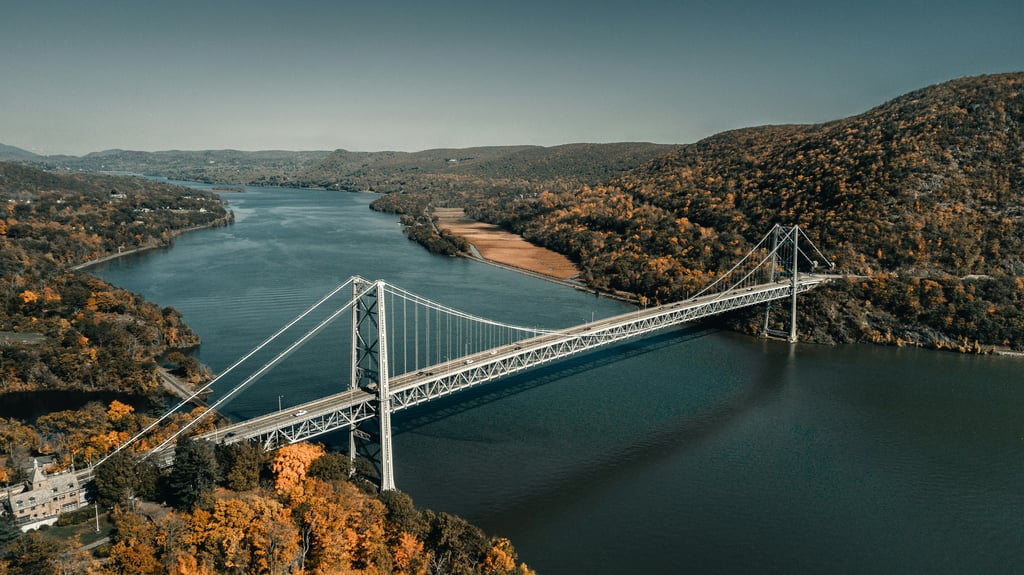
Bear Mountain and the Hudson Highlands: Nature Close to the City
For travelers who want physical movement and natural scenery, the Hudson Highlands provide one of the closest escapes from the city. Bear Mountain State Park sits just over an hour north of Manhattan and offers hiking, river views, lakes, and forested terrain.
Bear Mountain works well as a day trip because effort is rewarded quickly. Many trails offer panoramic views after relatively short climbs. You do not need to commit to long hikes to feel immersed in nature. Options range from lakeside walks to more demanding ascents.
You can reach the park by car or by combining train travel with a short taxi ride. Several Metro-North stations along the Hudson River also provide access to nearby trailheads, making car-free hiking possible.
The surrounding Hudson Highlands region expands these options. Trails near Cold Spring and Garrison lead into forested ridges with views of the river below. These hikes attract both experienced hikers and casual walkers, depending on route selection.
Timing matters more here than in town-based trips. Parking fills quickly on weekends, especially during fall foliage season. Early arrivals improve the experience. Weather also plays a larger role. Checking trail conditions and forecasts is essential.
Nature-focused day trips work best when expectations remain simple. Choose one hike, pack water and snacks, and allow time to rest. Bear Mountain and the Hudson Highlands offer quiet, physical reset without requiring long travel.
Philadelphia: A Complete City Day Trip
Philadelphia stands out as the most comprehensive city day trip from New York. The city is reachable in about 90 minutes by Amtrak and slightly longer by bus. That travel time allows for a full day of exploration without feeling compressed.
Philadelphia’s historic core is compact and walkable. Independence Hall, the Liberty Bell, and surrounding streets form a dense cluster of landmarks. You can explore major sites without transportation once you arrive.
Beyond history, Philadelphia offers strong cultural institutions. The Philadelphia Museum of Art and smaller museums provide indoor options year-round. Neighborhoods such as Old City, Society Hill, and Rittenhouse Square combine architecture, dining, and public space.
Food is one of Philadelphia’s strongest draws. Reading Terminal Market offers quick, affordable meals with local character. Outside the market, the city supports a wide range of casual and refined dining. Reservations are often easier to secure than in New York.
Philadelphia feels slower and more navigable than NYC. Streets are easier to cross. Distances feel manageable. That contrast allows you to relax while still enjoying urban energy.
As a day trip, Philadelphia works best with restraint. Choose one or two neighborhoods and allow time to walk. Overplanning reduces enjoyment.
The Hamptons and Long Island North Fork: Coastal Perspective
Coastal day trips from New York City require more planning but deliver strong contrast. Long Island offers two distinct options: the Hamptons on the South Fork and the North Fork wine region.
The Hamptons include towns such as Southampton, East Hampton, and Montauk. You can reach many of these by Long Island Rail Road, though travel times range from two to three hours. Driving can be faster outside summer weekends.
As day trips, the Hamptons work best outside peak summer months. In spring and fall, beaches feel open and towns feel navigable. You can walk coastal paths, visit small museums, and eat lunch without waiting. Montauk, in particular, suits travelers who want dramatic coastal scenery rather than shopping.
The North Fork offers a quieter alternative. Towns near Greenport emphasize vineyards, harbors, and farmland. Wine tastings and harbor walks define the experience. Greenport’s compact center allows for walking, dining, and ferry watching.
These trips require early departures and focused plans. Choose one town or activity rather than trying to cover multiple areas. Coastal day trips reward simplicity.
The Jersey Shore: Boardwalks and Seaside Towns
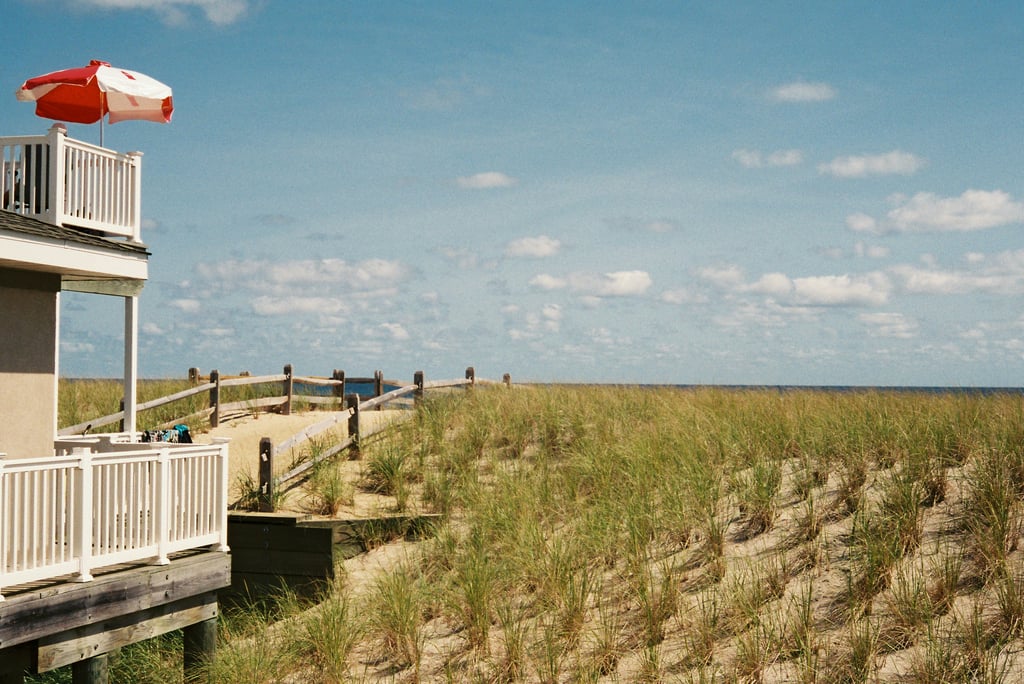
The Jersey Shore provides several viable day trips depending on season and interest. Towns like Asbury Park and Cape May offer different atmospheres.
Asbury Park works especially well for a single day. You can reach it by train in about 90 minutes. The town combines a walkable boardwalk, music venues, restaurants, and beach access. It feels active without being overwhelming.
Cape May sits farther south and pushes the limits of a day trip. Victorian architecture and quieter beaches define the town. Travel time makes it better suited to overnight stays, but determined travelers can manage a long day.
Jersey Shore destinations perform best outside peak summer weekends. Spring and early fall provide easier access and calmer environments.
Storm King and Art-Focused Escapes
Art-focused day trips offer a different kind of reset. Storm King Art Center sits in the Hudson Valley and combines large-scale sculpture with open landscape. The experience encourages slow movement and observation.
You can reach Storm King by car or train combined with shuttle service. The grounds are expansive, so comfortable walking shoes matter. The visit typically lasts several hours, making it ideal for a focused day trip.
Art destinations like this work best in good weather and during shoulder seasons. They offer mental quiet rather than stimulation.
The Catskills: Big Landscapes and Small Town Resets
The Catskills offer one of the most dramatic shifts you can experience on a day trip from New York City. Within two to three hours, urban density gives way to wide valleys, forested mountains, and small towns shaped more by geography than schedule. While the region often rewards overnight stays, a focused day trip can still feel complete if you choose a single base area.
Towns such as Woodstock and Phoenicia work well for this purpose. Woodstock centers on walkability, independent shops, and cafés rather than its historic reputation. You can spend several hours moving slowly through town, stopping for meals, bookstores, and short walks without needing a car once you arrive. Phoenicia feels quieter and more rural, serving as a gateway to short hikes and river access.
Nature is the primary draw, but scale matters. Many Catskills trails deliver strong views without requiring full-day hikes. Short climbs near overlooks or rivers allow you to experience elevation change and forest quiet without physical exhaustion. That makes the region viable even for travelers who want movement without committing to strenuous activity.
Travel time is the main constraint. Driving offers the most flexibility, especially for reaching trailheads. Bus service exists, but schedules limit spontaneity. Early departures improve the experience, particularly during fall foliage season when traffic increases significantly.
Seasonality shapes the Catskills more than many other day trips. Spring brings waterfalls and fresh growth. Summer offers swimming holes and shaded trails. Fall draws crowds for foliage. Winter quiets the region again, favoring short walks and town-based visits.
The Catskills work best when expectations stay simple. Choose one town or one trail, allow time to pause, and return to the city before fatigue sets in. Even a single day offers a meaningful change in scale and pace.
New Haven: Compact Culture and Academic Calm
New Haven offers a refined and manageable day trip that balances culture, architecture, and walkability. Located about 90 minutes from New York City by train, the city feels distinct without requiring complex planning. Its size allows you to experience a full day without rushing, while its institutions provide depth beyond what you expect from a short visit.
The city centers on Yale University, whose campus shapes daily life rather than dominating it. The university grounds are open and easy to explore on foot. Architectural styles shift block by block, creating visual interest without overwhelming scale. You can move between courtyards, libraries, and museums without formal entry points or schedules.
Cultural institutions anchor the visit. The Yale University Art Gallery and nearby museums offer substantial collections with free admission. These spaces support unhurried visits, making them ideal for a day trip where pacing matters. You can enter, leave, and return without pressure.
Beyond campus, New Haven’s downtown supports dining and walking. Streets feel active but not crowded. Restaurants reflect a mix of local and academic communities, offering strong quality without reservation pressure. The city’s reputation for pizza adds a practical bonus, giving you an easy anchor meal without overplanning.
Waterfront access adds variety. Areas near Long Island Sound offer short walks and open views, especially appealing in warmer months. These spaces rarely feel crowded and contrast clearly with the campus environment.
New Haven works best as a cultural reset rather than an activity-driven trip. You walk, observe, eat, and pause. The city rewards curiosity and attention without demanding speed. For travelers who want structure without intensity, New Haven remains one of the most reliable nearby escapes.
Princeton: Historic Calm and Intellectual Scale
Princeton delivers a quieter, more introspective day trip that contrasts sharply with New York City’s pace. Reachable in about 90 minutes by train, the town feels contained and deliberate. Its scale supports a full day without requiring transportation once you arrive.
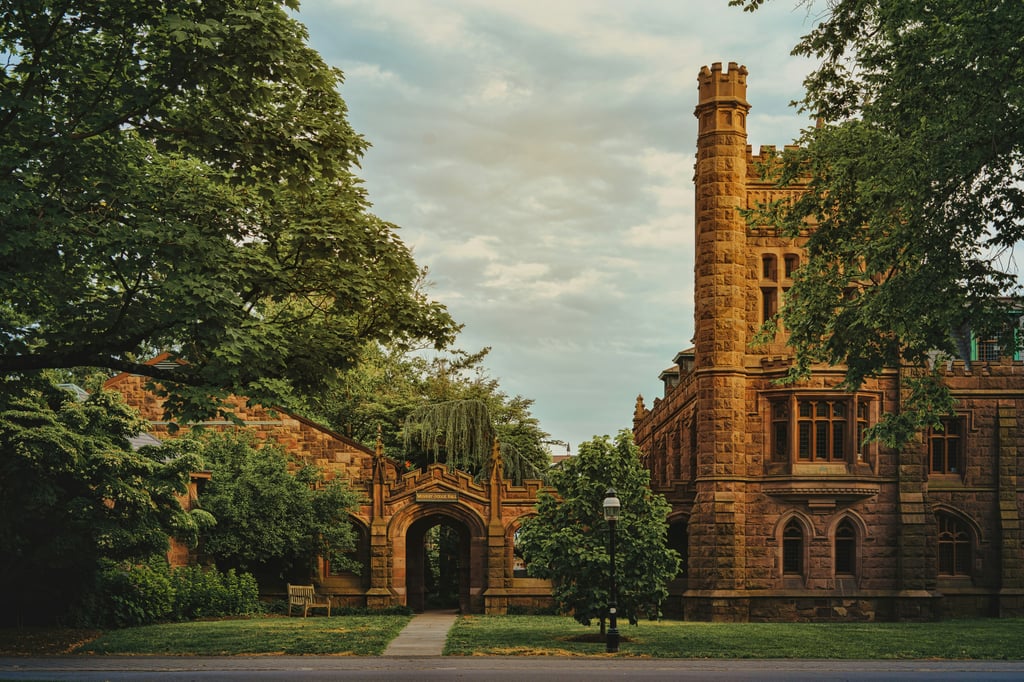
The town centers on Princeton University, whose campus blends seamlessly into the surrounding streets. Gothic architecture, green spaces, and pedestrian paths define the environment. You can wander for hours without repeating routes or feeling lost. The atmosphere encourages slower movement and observation.
Cultural options anchor the visit. The university art museum and smaller galleries provide structured stops without overwhelming choice. These institutions feel accessible rather than monumental, supporting casual engagement. You can enter for an hour and leave satisfied rather than drained.
Beyond campus, Nassau Street forms the town’s commercial core. Independent bookstores, cafés, and restaurants cluster within a short stretch. Dining feels relaxed and dependable. Reservations are rarely essential, especially outside weekends.
Nature appears subtly rather than dramatically. Walking paths and small parks frame the town, offering places to pause without formal planning. These spaces matter because they support mental rest rather than physical exertion.
Princeton works best for travelers who want calm rather than stimulation. You do not chase attractions. Instead, you allow the environment to set the pace. That quality makes the town especially appealing during busy seasons in New York, when contrast matters more than novelty.
As a day trip, Princeton offers coherence. Everything connects naturally, and nothing demands urgency. You return to the city feeling rested rather than entertained.
New Paltz and the Shawangunks: Small Town and Big Views
New Paltz combines a compact college town with immediate access to one of the region’s most dramatic natural landscapes. Located in the Hudson Valley, it works well as a longer day trip that balances walking, food, and outdoor movement without requiring overnight planning.
The town itself is walkable and contained. Main Street supports cafés, bookstores, and casual restaurants that cater to both residents and visitors. The presence of a university shapes the rhythm, keeping the atmosphere active but unpretentious. You can spend time here before or after outdoor activity without needing separate planning.
The primary draw sits just outside town. The Shawangunk Ridge, often called the Gunks, offers cliff views, carriage roads, and forested trails. Unlike more remote hiking areas, access is immediate. Short walks deliver expansive views without long ascents. You do not need technical hiking experience to feel immersed.
The Mohonk Preserve and surrounding areas support multiple entry points, allowing flexibility based on time and energy. You can choose a single trail or scenic road rather than committing to a full hike. That adaptability makes New Paltz suitable for mixed-interest groups.
Travel requires more intention. Driving is the most practical option, especially for accessing trailheads. Train service exists but adds complexity. Early departures improve parking and trail conditions, particularly on weekends.
New Paltz works best when you balance town and landscape. One walk, one meal, and unstructured time create a complete day. The contrast between small-town ease and large-scale scenery defines the experience, making it one of the most rewarding day trips north of the city.
How to Choose the Right Day Trip from NYC
Choosing the right day trip depends on how you want to feel at the end of the day. Nature trips restore through movement and silence. Town-based trips offer cultural engagement without density. Coastal trips refresh through light and air.
Travel time matters more than distance. Trips under 90 minutes each way feel easiest. Longer journeys require earlier starts and tighter planning.
Seasonality also matters. Some destinations peak briefly, while others remain consistent year-round. Flexibility improves results.
Day trips work best when you limit objectives. One main activity, one good meal, and time to walk usually create the strongest experience.
New York City’s geography makes these escapes possible year-round. You do not need to travel far to feel far away.