Why visit Botswana?
Botswana is a good choice if you want wild nature first and everything else second. The country has a small population and a lot of protected land. Large areas are kept for wildlife, not farming or cities. That gives you space, quiet, and strong game viewing.
1. Water and desert in one trip
Few countries let you pair a vast inland delta with true desert in one journey. The Okavango Delta is a huge fan of water that spreads across the sand. It creates lagoons, palm islands, and rich grasslands. Wildlife gathers here when surrounding areas are dry.
At the same time, most of Botswana lies within the Kalahari. Here you find golden grass, thorn bushes, and dry riverbeds. In the Central Kalahari and Makgadikgadi Pans, the land feels wide open and empty. When the rains come, the grass turns green and animals move in.
In one itinerary, you can wake on a floodplain island in the delta, then finish your trip with black-maned lions and oryx in the Kalahari. The change in light, color, and mood keeps the trip fresh.
2. Wildlife with fewer crowds
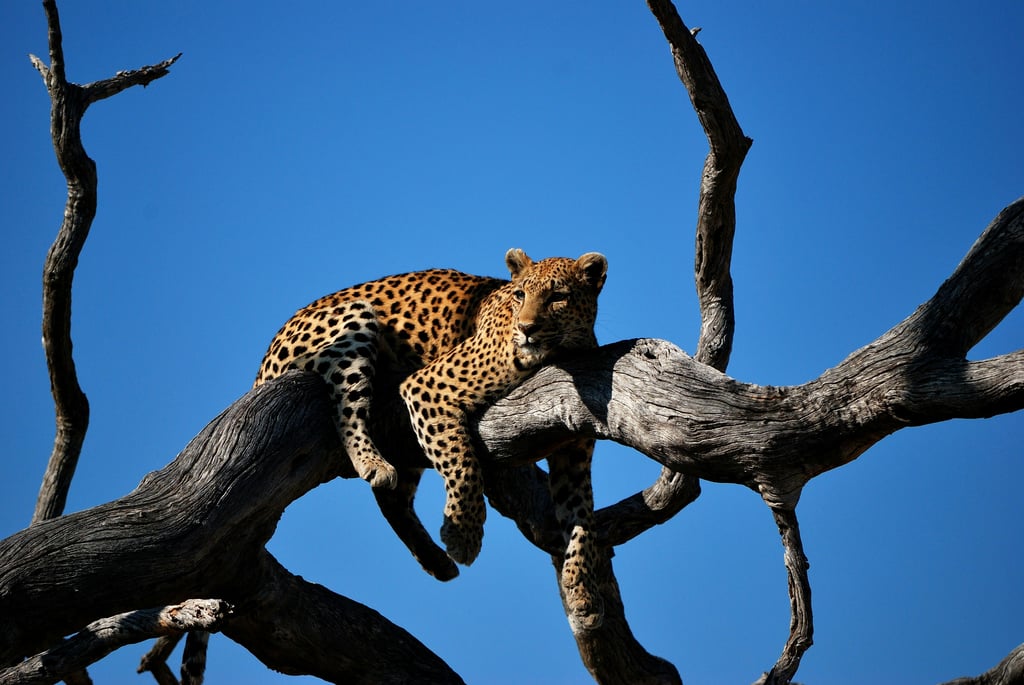
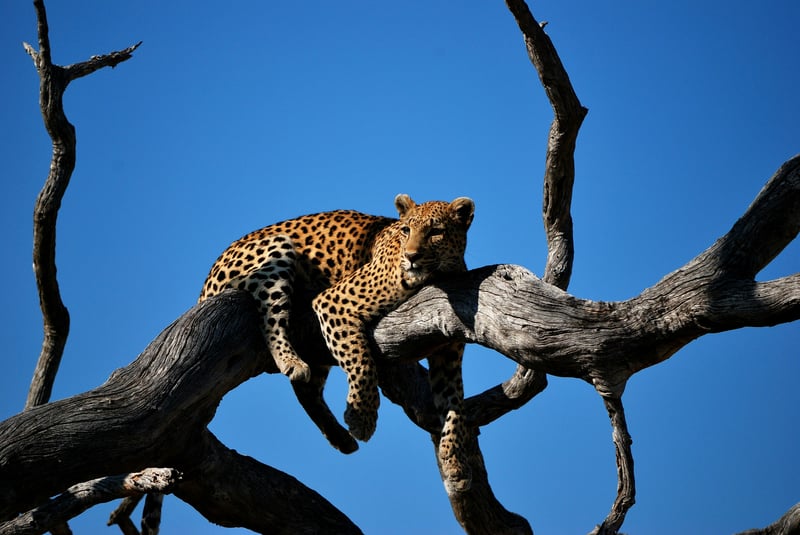
Botswana is known for elephants, big cats, wild dogs, and excellent birdlife. Herds of elephant and buffalo gather along the Chobe River. Lions, leopards, and cheetahs hunt across the Okavango, Moremi, Savuti, and the Kalahari. Large antelope herds move between grasslands and pans.
The difference is how many people share these sightings with you. The low-volume model means many areas have few beds and strict vehicle rules. You might see two or three vehicles at a big sighting, not a long line. You get time to sit and watch behavior, not just snap a photo and rush on.
3. Calm, characterful camps
Most nights, you sleep in small lodges or tented camps that blend into the bush. Many are only reachable by light aircraft. Rooms may be canvas tents on raised decks or thatched suites facing the floodplain. You can often lie in bed and hear hippos grunting or lions calling far away.
Style runs from sleek suites with plunge pools to simple mobile tents. Even the smart lodges usually keep the focus on the view, with big decks, open fire pits, and dining under the stars.
4. Straightforward for visitors
Botswana is not a hard country to move around once you are on safari. In most itineraries, flights, transfers, park fees, and meals are bundled together. You fly from camp to camp, meet your guide, and head straight out on game drive or boat.
Park rules are clear. Teams on the ground are used to handling guests of all ages and travel backgrounds. You do not need to drive yourself or plan complex logistics unless you choose a self-drive adventure.
In short
You choose Botswana if you value:
• Big, quiet landscapes more than busy towns
• Strong wildlife viewing with limited vehicle numbers
• A mix of wetlands, rivers, pans, and desert in one country
• Small, well-run camps rather than large hotels
If that sounds like you, Botswana is a very strong safari choice.”
Best time to visit Botswana for a safari
Botswana has two main seasons:
• A dry season from about April or May to October
• A green or rainy season from about November to March
The dry season brings clear skies, cool mornings, and very little rain. Grass is lower, leaves are thinner, and animals gather at remaining water. This is the classic safari look: golden light, dusty horizons, and easy viewing along rivers and waterholes.
The green season brings warm, sometimes hot days, with afternoon storms and bright, fresh colors. New grass grows, many animals give birth, and migrant birds arrive. The bush is thicker and wildlife spreads out, but the scenery can be beautiful and prices are often lower.
1. Month-by-month feel
Here is a simple overview. It is a guide, not a promise, as water levels and rains can shift each year.
January – February
Hot, often humid, with regular afternoon showers, especially in the north. Storms can be dramatic but usually short. The bush is lush and green. Many antelope and zebra have young. Predators follow this, so you can still see good action. Birding is excellent. Some roads become muddy, and travel can be slower.
March
Still warm, but rain often eases a little as the month goes on. Landscapes stay green and full. This can be a sweet spot for Makgadikgadi and Nxai Pans if summer rains were good, with large zebra and wildebeest herds grazing around the pans. Visitor numbers are lower than in peak dry season.
April
A transition month. Rain decreases, skies clear, and nights become cooler. Daytime is still warm and pleasant. The bush begins to thin slightly. Game viewing improves as grass drops, but you still have that rich, green feel. Chobe River cruises are lovely at this time, with comfortable temperatures.
May
Mostly dry in many areas. Mornings feel crisper, and evenings may need a light fleece. This is the start of the classic dry-season feel, but without full peak-season prices in many camps. Game viewing is strong in Moremi, Chobe, and the Okavango. Roads dry out and access becomes easier.
June – August
Cool, dry winter. Nights and early mornings can be cold, especially in open vehicles and in the desert. You may want gloves and a hat on drives. Days are sunny and clear, with very pleasant midday temperatures. Vegetation is low and thin, so it is easier to spot animals. The Okavango Delta is usually in full flood, so water-based safaris are excellent. This is peak season, with high demand and higher rates.
September – October
Very dry and increasingly hot, especially in October. Water is scarce away from main rivers. Wildlife viewing can be at its most intense as animals crowd riverbanks and surviving waterholes. This is often the best time to see large numbers of elephants along the Chobe River and strong predator action around them. The trade-off is strong sun, heat, and dust.
November
The first storms tend to arrive, breaking the heat. Clouds build and burst, then skies clear again. Grass and leaves start to return. Early in the month, you may still have classic dry-season sightings near water. As the rains spread, game begins to move out into new grazing.
December
Warm, often stormy, with green landscapes and full pans in many places. Birdlife is excellent. Game is more spread out, but you still see plenty, especially with good guiding. Families often travel now to combine safari with Victoria Falls or beach time elsewhere in the region.
2. Matching timing to your priorities
If top-tier wildlife viewing and easy spotting are your main goals, aim for June to early October.
Look at late March, April, or November, if you prefer softer light, green backgrounds, young animals, and lower prices.
If you care most about water-based Okavango activities like mokoro trips and boating, June to August is usually the safest bet, when floodwaters are high and channels are open.
Whatever you choose, think in layers: warm clothes for winter mornings, light clothes and good sun protection for hot days, and a simple rain jacket in green season.
The highlights of a Botswana Safari
Botswana’s main safari areas form a loose arc across the north and center of the country. You can focus on one or combine several in a longer trip.
1. Okavango Delta
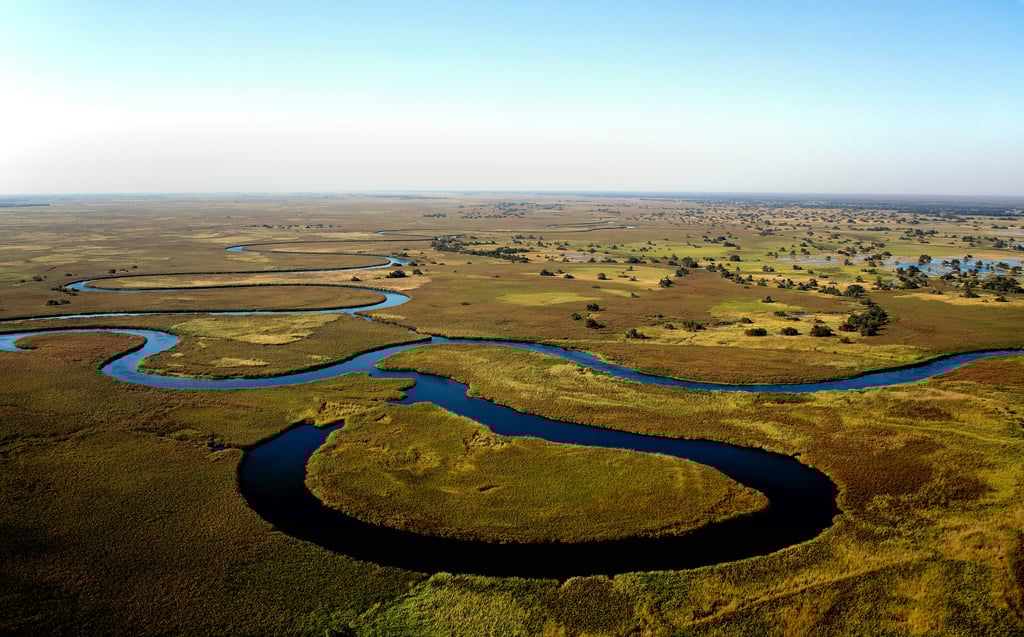
The Okavango Delta is the star of the show. Instead of reaching the sea, the river spreads into a wide fan of channels, lagoons, and islands in the sand. In many areas there are no roads in or out. You fly in on a small plane, land on a dirt strip, and transfer by vehicle or boat to camp.
In the heart of the delta, many camps are surrounded by permanent water. Here you explore mainly by boat, mokoro canoe, and on foot. You spend time with waterbirds, frogs, lilies, hippos, and crocodiles. The focus is on the small details of the wetlands and the calm rhythm of water.
On the edges, where the delta meets drier woodland, you have a mix of open plains and floodplains. This is where big-game viewing is at its most intense: elephant, buffalo, lion, leopard, cheetah, hyena, and often wild dogs. You can drive by day and sometimes at night, walk in some areas, and still enjoy water-based trips when levels allow.
2. Moremi Game Reserve
Moremi Game Reserve protects much of the eastern side of the Okavango. It covers a patchwork of lagoons, islands, forests, and grasslands. Roads loop along the “tongue” of land that juts into the delta and across famous Chief’s Island.
You come to Moremi for variety:
• Strong predator viewing, including leopard and wild dogs
• A blend of wet and dry habitats in one area
• Good birding and rich general game
Game drives often follow loops along riverine forest and edges of floodplains. The reserve is also important for the return of both black and white rhinos to the Okavango region.
3. Chobe National Park and Savuti
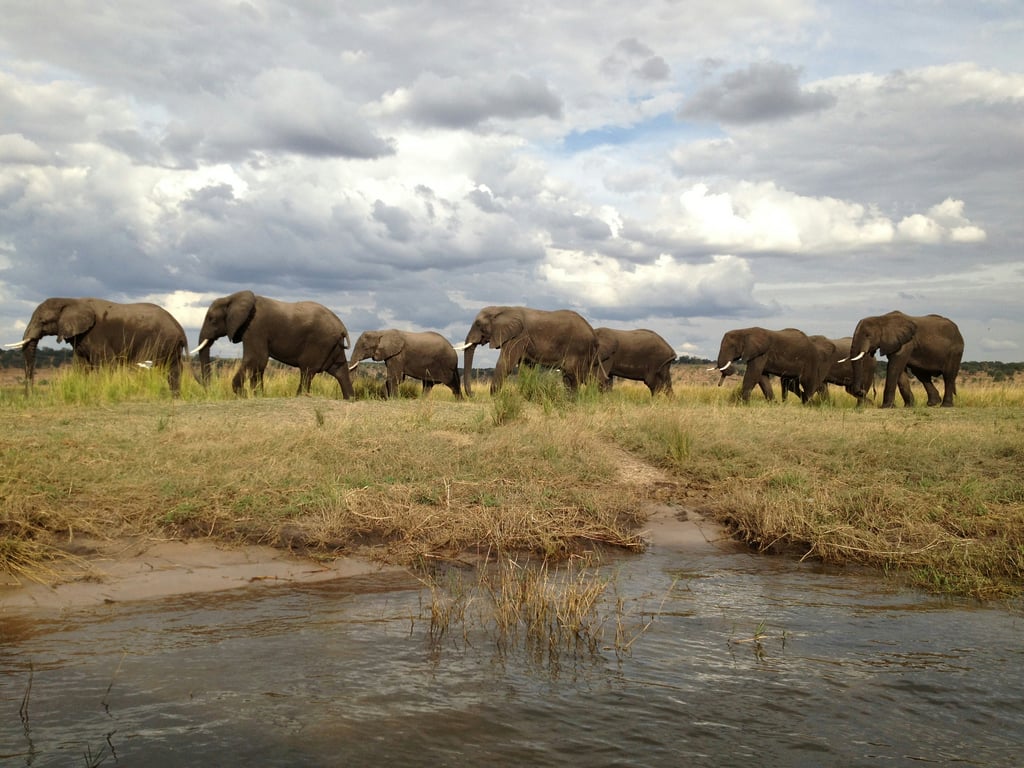
Chobe National Park lies in the far northeast. It is best known for elephants. In the dry season, thousands move down to the Chobe River to drink and cross. The riverfront near Kasane offers boat cruises and game drives, so you can watch elephants wading and swimming from the water level.
Further south, the Savuti (or Savute) area feels more remote. It is centered on the Savuti Channel, which has a history of drying up and flowing again over long cycles. The open plains and woodlands here are classic predator country. Lions, hyenas, and sometimes wild dogs follow zebra and other plains game.
Chobe and Savuti work well if you like strong elephant viewing, a mix of boat and vehicle activities, and easy access to Victoria Falls.
4. Makgadikgadi Pans
South-east of the delta, the Makgadikgadi Pans form one of the largest salt-pan systems on earth. When dry, the pans look almost like another planet: flat, pale, and seemingly endless. In the dry season, some camps offer quad-bike trips across the crust and nights sleeping out on bedrolls under the open sky.
When the summer rains arrive, shallow water and new grass attract large herds of zebra and wildebeest to the savanna around the pans. It is one of Africa’s bigger wildlife movements but with far fewer visitors than some famous east African migrations.
Makgadikgadi is also known for:
• Guided time with habituated meerkat groups
• Flamingos and other waterbirds when conditions are right
• Walks with San guides who share desert tracking and plant knowledge
5. Central Kalahari Game Reserve
Central Kalahari Game Reserve sits deep in the middle of Botswana. It is one of the largest protected reserves in the world. The scenery is not about dense game at every turn. It is about space, silence, and the feeling of being very far away.
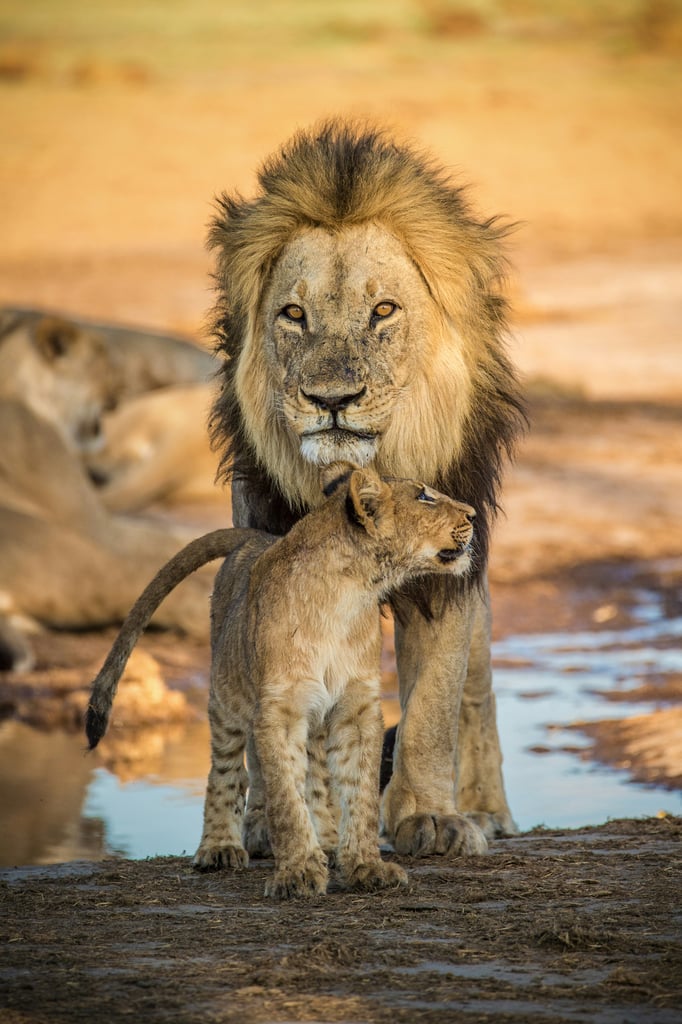
You see open grasslands, low dunes, acacia scrub, and fossil river valleys. Game is more spread out, but can be very rewarding, especially after summer rains when the pans and valleys green up. This is the home of Kalahari black-maned lions, oryx (gemsbok), springbok, cheetah, and other desert-adapted species.
You choose the Central Kalahari if you enjoy simple camps, long views, and the feeling of true wilderness rather than constant action.”
6. Hidden Gems
Botswana’s big parks and famous concessions get most of the attention. But your trip can also include quieter corners and chances to see daily life, culture, and less-visited landscapes.
A. Community concessions and village life
Some safari areas sit in concessions owned or co-managed by local communities. The Khwai community concession on the edge of Moremi is one well-known example. Here, tourism income supports jobs, land leases, and community projects.
Many mobile safaris and lodges work with nearby villages. Short, respectful visits can show you:
• How people live close to wildlife
• How cattle posts and small farms fit into the landscape
• How children travel to school and what daily routines look like
These visits should be small-group and low-key. Ask how your visit benefits the community and whether guides are local. That way, the experience stays a real exchange, not just a staged stop.
B. San culture in the Kalahari
The Kalahari has long been home to San communities, sometimes called Bushmen. In some camps, you can join guided walks with San trackers or interpreters. They show you:
• How to read small signs in the sand
• How to find water and food in tough conditions
• Stories and songs linked to stars, animals, and the land
These walks are often gentle and focus on showing traditional skills rather than reenacting a lifestyle. It is worth asking how the camp works with San partners and how revenue is shared.
7. Quieter reserves and regions
If you like to step away from main routes, you can add:
• Nxai Pan National Park for open pans, big baobab trees, and seasonal zebra herds
• Linyanti reserves for strong elephant and predator viewing with fewer vehicles than Chobe riverfront
• Okavango Panhandle for boat life, fishing, and birding rather than big-game drives
• Tuli Block in the far east, with rocky hills, riverine forests, and a different feel from the northern parks
These areas are good for second or third-time visitors or anyone who prefers slower, less busy places.
8. Towns and hubs
Your route will likely run through Maun, Kasane, or Gaborone.
• Maun is the gateway to the Okavango. It has supermarkets, small craft stalls, and busy airstrips. You see the “backstage” of safari: pilots, guides, and supply trucks.
• Kasane sits on the Chobe River and near the borders with Namibia, Zambia, and Zimbabwe. It is a base for Chobe cruises and trips to Victoria Falls.
Spending a night in one of these towns can give you a look at local food, small shops, and riverside life, not just camp life.
9. How to weave hidden gems into your trip
You do not need a separate journey for these experiences. You can:
• Add one night in a quieter area after a headline park
• Choose at least one camp with strong cultural or walking activities
• Ask for a mix of community concessions and private reserves
• Plan a little time in Maun or Kasane between flights
This way, you see both the famous wildlife scenes and the quieter threads of daily life that hold the country together.”
10. Regional snapshot
Okavango Delta core
Islands, channels, and floodplains reached mainly by light aircraft. Some camps are almost fully water-based. Others offer a blend of boating, mokoro trips, game drives, and walks. You choose this area if you want:
• Mokoro drifting and quiet boat safaris
• Strong birdlife, hippos, and calm, detailed sightings
• Small, remote camps focused on scenery and water
Moremi, Khwai, and nearby concessions
Moremi Game Reserve and surrounding areas like Khwai mix woodland, open plains, and floodplains. Wildlife densities are high. This is one of the best regions for lions, leopards, wild dogs, and general game.
You choose it if you want:
• Flexible activities, including day and often night drives
• A good chance of classic big predators
• Access to both dry savanna and flooded channels
Chobe and Savuti
Chobe Riverfront near Kasane offers easy access by road and air. Boat cruises along the river let you see elephants, hippos, and buffalo from a low angle. Savuti, deeper inside the park, is more remote and centered on wide grasslands and the shifting Savuti Channel.
Good for:
• High-density elephant viewing and river scenes
• A mix of boat trips and game drives
• An easy add-on to Victoria Falls
Makgadikgadi and Nxai Pans
Here the highlight is space. In the dry season, salt pans stretch to the horizon and the night sky feels very close. In the rainy season, grass around the pans draws zebra and other grazers. Meerkats, quad-biking, and starry sleepouts add variety.
Central Kalahari Game Reserve
Big, remote, and simple. Best for travelers who like long views, quiet, and a sense of being far from everything. Wildlife is sparser but special, especially after rains.
Botswana Safari styles: how to choose
Botswana offers four broad safari styles. You can mix them in one itinerary.
1. Fly-in safaris
You move between camps by light aircraft. This is the standard way to reach most Okavango and Linyanti lodges.
Pros:
• Fast links over long distances
• Aerial views of rivers, pans, and herds
• No need to worry about rough roads
Cons:
• Higher cost than road transfers
• Tight luggage limits and soft-bag rules
2. Mobile camping safaris
Your tented camp moves with you. Staff handle set-up, cooking, and chores while you focus on game activities.
Pros:
• Strong sense of journey as you follow wildlife
• Often better value than top fixed lodges
• Simple camps that feel very close to nature
Cons:
• Less comfort than high-end lodges
• Shared facilities in basic setups
3. Lodge-based safaris
You stay in permanent lodges or tented camps, usually in private or community concessions.
Pros:
• Comfortable rooms with proper beds and bathrooms
• Experienced guiding teams and varied activities
• Clear, mostly all-inclusive pricing
Cons:
• Higher rates in prime areas
• You rely on local wildlife movements around a fixed point
4. Self-drive safaris
You rent a 4×4, often with rooftop tent and camping gear, and drive yourself between parks and public campsites.
Pros:
• Freedom to set your own pace
• Lower daily costs than many fly-in lodge trips
• A strong sense of adventure and independence
Cons:
• Demanding driving on sand and remote tracks
• You manage navigation, supplies, and safety yourself
If this is your first safari, a lodge-based or mobile trip with included transports is usually the easiest path. Self-drive is best if you already have 4×4 experience and like handling your own logistics.”
Easy day trips & short add-ons
Botswana’s main safari areas are far apart, so most experiences work best as part of a multi-night stay. Still, there are several outings that fit into a single day or make simple extensions at the start or end of your trip.
1. Chobe River cruises
If you are staying in or near Kasane, a Chobe River cruise is one of the simplest activities to add. Boats leave from the town’s riverfront and travel along channels and islands on the Chobe River.
On a typical cruise you may see:
• Elephants drinking, crossing, or swimming
• Hippos yawning and snorting near the banks
• Crocodiles sunning on sandbars
• Mixed herds of buffalo and antelope
Morning cruises offer soft light and quiet water. Afternoon trips end in warm sunset colors and can be very atmospheric.
2. Scenic flights over the Okavango
From Maun or some delta camps, you can book a scenic flight in a light plane or helicopter. Seeing the Okavango from the air gives you a clear sense of scale: the web of channels, the islands, and the tracks of animals along the banks.
Flights usually last 30 to 60 minutes. They cost more than a standard activity, but they are memorable and help you understand how the whole system fits together.
3. Mokoro excursions from gateway areas
If you are not staying deep inside the delta, you can still sample mokoro life on a day trip from Maun or from lodges near the wetlands’ edge. Local polers stand at the stern and guide the dugout-style canoes through narrow, reed-lined channels.
You sit low to the water and drift past lilies, tiny frogs, and kingfishers. Many trips include a short walking break on an island for a leg stretch and basic tracking.
4. Victoria Falls side-trip
From Kasane, you can reach Victoria Falls in a few hours by road, including a border crossing into Zimbabwe or Zambia. Many operators in Kasane offer day tours that include transfers, park entry, and a guided walk along the falls viewpoints.
If time allows, consider at least one night near the falls. That gives you space for a calm morning visit, plus optional activities like sunset cruises on the Zambezi or a simple town walk.
5. Sleepouts and meerkats at the pans
Some Makgadikgadi lodges offer one-night sleepouts on the pans during the dry season. You travel out by vehicle or quad bike and sleep on simple bedrolls under the open sky, with almost no light pollution. Waking up to dawn light over the pan is a highlight.
Day-trips or half-day visits to habituated meerkat groups are also popular. With a guide, you walk to the burrows, sit quietly, and watch as the meerkats forage. Sometimes they climb onto guests to get a better look around.
6. How to fit day trips into your plan
Think about your start and end points:
• If you arrive via Maun, add a night for a scenic flight or mokoro outing
• If you leave via Kasane, add a river cruise or Victoria Falls visit
These short pieces work best as gentle bookends to a longer safari. They let you start or finish at a slightly slower pace and make use of travel days that might otherwise be empty.”
How much a Botswana safari costs
Botswana is one of Africa’s more expensive safari destinations. Remote locations, small camps, and light-aircraft logistics add cost. It helps to think in price bands per person per day, not including international flights.
Very rough ranges, for guidance only:
• Budget: from about 300–350 in USD or EUR
Basic camping, some simple lodges, a few shared tours.
• Mid-range: roughly 550–700 in USD or EUR
Comfortable tented camps, some fly-in links, shared guiding.
• Luxury: often 1,500–2,000 USD or more per night in peak season
Top camps in prime concessions, with fine dining and high service.
Ultra-exclusive camps and private-use villas can cost well above this. High season (June to October) is usually the most expensive period.
Price shifts depend on:
• Season and exact dates
• Area and type of concession
• Style of camp and room
• Whether you share a vehicle or book it privately
When comparing, look at what is included. Many lodge rates cover accommodation, meals, most drinks, activities, park fees, and light-aircraft transfers between sister camps. Self-drive trips may look cheaper but add costs for fuel, park fees, and gear.
Best lodges and camps for a Botswana Safari
Instead of chasing one “best” lodge, match camp style to your needs and budget.
1. Luxury
High-end lodges and camps tend to sit in prime areas of the Okavango, Linyanti, Chobe, and the Kalahari. Expect:
• Spacious suites or big tents with private decks
• High staff-to-guest ratios and polished guiding
• Pools, fine food, and a wide choice of activities
These camps work well if you want comfort, service, and a high chance of strong sightings in a short time.
2. Mid-range
Mid-range options include:
• Smaller lodges in or near national parks
• Tented camps in community concessions
• Comfortable mobile safaris with walk-in tents and en-suite or nearby bathrooms
You still get good guiding and real bush atmosphere, but with simpler decor and fewer extras. This band often gives the best mix of value and experience.
3. Adventure or mobile camps
Adventure-style trips keep things simple and focus on being close to nature.
• Dome or walk-in tents, often with shared bathroom tents
• Meals cooked over coals or in camp kitchens
• Chairs around a central fire, no fancy bar or pool
These trips can feel social and grounded. They are good if you care more about time in the bush than high comfort levels.
4. Family-friendly picks
Many camps welcome children, though age rules vary. Family-friendly camps often offer:
• Family rooms or inter-leading tents
• Pools or splash areas for midday breaks
• Guides trained to run short, fun “bush school” sessions
If you travel with children, ask about age minimums for walks, mokoro trips, and night drives, and whether you can book a private vehicle so you can adjust timing and pace.
Safety in Botswana
Botswana is generally seen as safe for visitors, especially in remote safari areas. Still, keep basic travel habits.
In towns:
• Keep valuables out of sight and locked away when possible
• Avoid walking alone at night in quiet areas
• Use official taxis or transfers
In camps and parks, wildlife and health are the main risks.
For wildlife:
• Always follow your guide’s instructions
• Do not walk alone at night; wait for an escort if offered
• Stay inside your tent or room after dark unless guided
• Never feed animals or approach them on foot without a guide
For health:
• Parts of northern Botswana have a malaria risk, especially in warmer, wetter months
• Use insect repellent and cover arms and legs in the evening
• Discuss malaria tablets and vaccines with a travel clinic before your trip
• Drink safe or filtered water and be careful with sun exposure
Good travel insurance that covers medical evacuation is important. Camps are remote. If something serious happens, you may need an air evacuation to a larger hospital.
With sound planning and respect for the bush, Botswana safaris feel wild in the right way and well managed in the ways that matter.”
fn the dry season, so you do not need a huge wardrobe. Focus on comfort, practicality, and sun protection. The real “dress code” is being ready for early mornings, chilly drives, and strong daytime sun.